
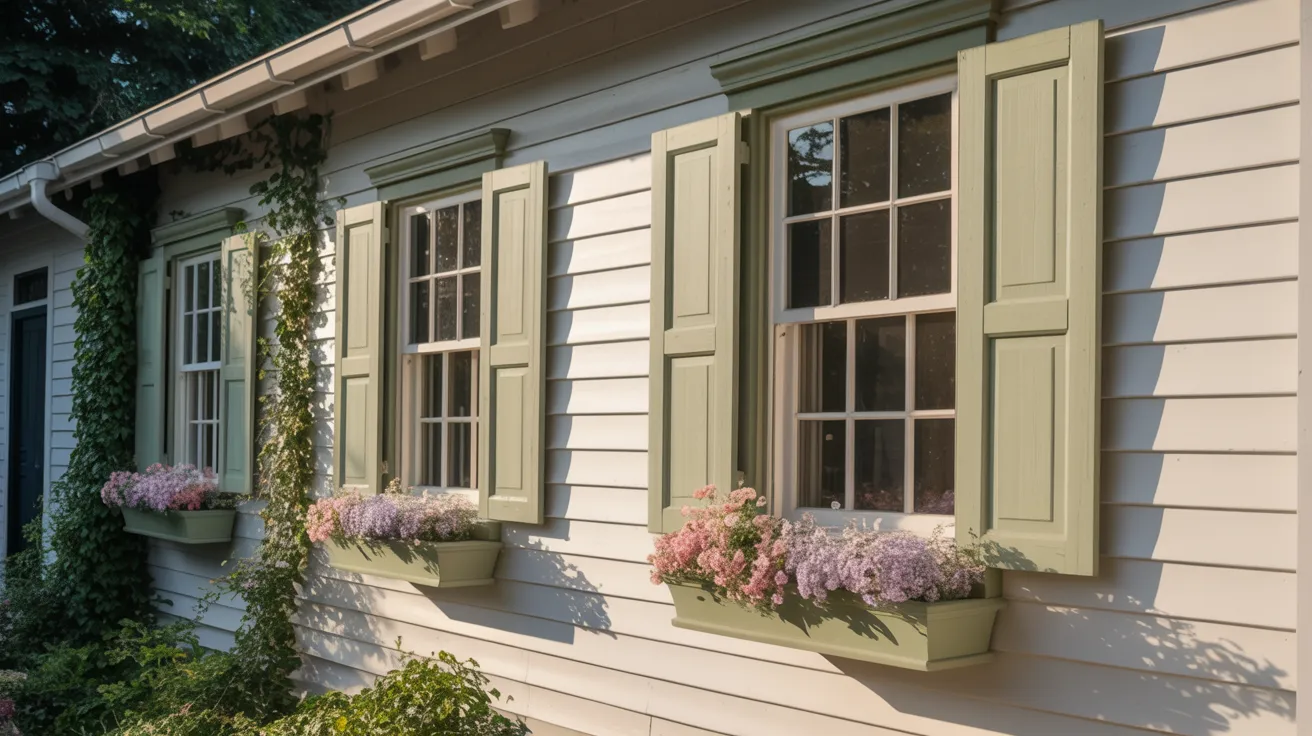
14 Exterior Window Trim Ideas That Add Instant Charm
Your windows are the eyes of your home, and the trim around them tells the world whether your house has been thoughtfully designed or simply left as-is. The right exterior window trim can transform an ordinary facade into something genuinely beautiful—and here’s what excites me most; these changes don’t require replacing windows or undertaking massive renovations.
I’ve noticed that homeowners often overlook trim as a design tool. They focus on siding color, landscaping, and architectural details, but they miss how dramatically the right window frame styling can elevate everything else. In my experience, updating or refreshing window trim is one of the highest-impact, most affordable exterior improvements you can make.
This article showcases 13 proven exterior window trim styles that work beautifully across different home types, budgets, and design preferences. Whether you’re drawn to bold black frames that create instant modern drama, soft sage green that feels nature-inspired and calm, or ornate Victorian details that celebrate architectural heritage, you’ll find inspiration here. Each idea includes real-world insights about why these styles work, how they transform spaces, and what visual results you can expect.
Also Read out : 20 Home office aesthetic ideas
The best part? Many of these ideas are achievable whether you’re building new, renovating, or simply refreshing what you already have. By the end of this article, you’ll have a clear vision of which trim style matches your home’s personality and your own design goals.
1. Bold Black Frames
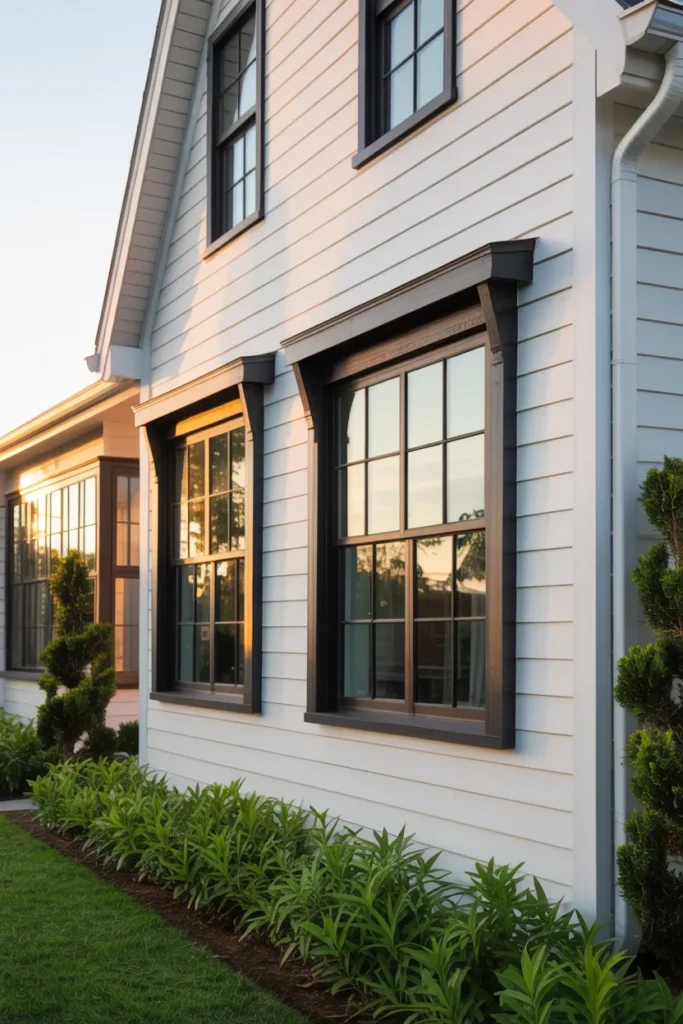
Bold black frames are one of the most transformative upgrades you can make to your home’s exterior. I’ve seen this simple change turn an ordinary house into something that stops people mid-walk. The contrast between dark trim and light siding creates visual interest that draws the eye directly to your windows, making them architectural features instead of just openings. Whether your home is a farmhouse, modern, or traditional, black frames add instant sophistication and intentional design. This look has become increasingly popular because it’s striking, timeless, and doesn’t require replacing actual windows—just updating the trim material and paint. The investment is modest compared to the dramatic visual return.
What makes black frames work so effectively is how they define the architectural lines of your home. In my experience, homes with this style feel more polished and purposeful from the street view. The dark frames create a frame-within-a-frame effect that emphasizes the glazing and gives windows more presence and weight. Homeowners also notice that black trim pairs seamlessly with popular exterior colors like white, cream, soft gray, and even warm taupe. The visual impact is immediate—your home looks more intentional and current. Whether you’re selling or simply want your home to feel more refined, bold black frames deliver significant curb appeal that photographs beautifully on Pinterest and impresses in person
2. Soft White and Stone
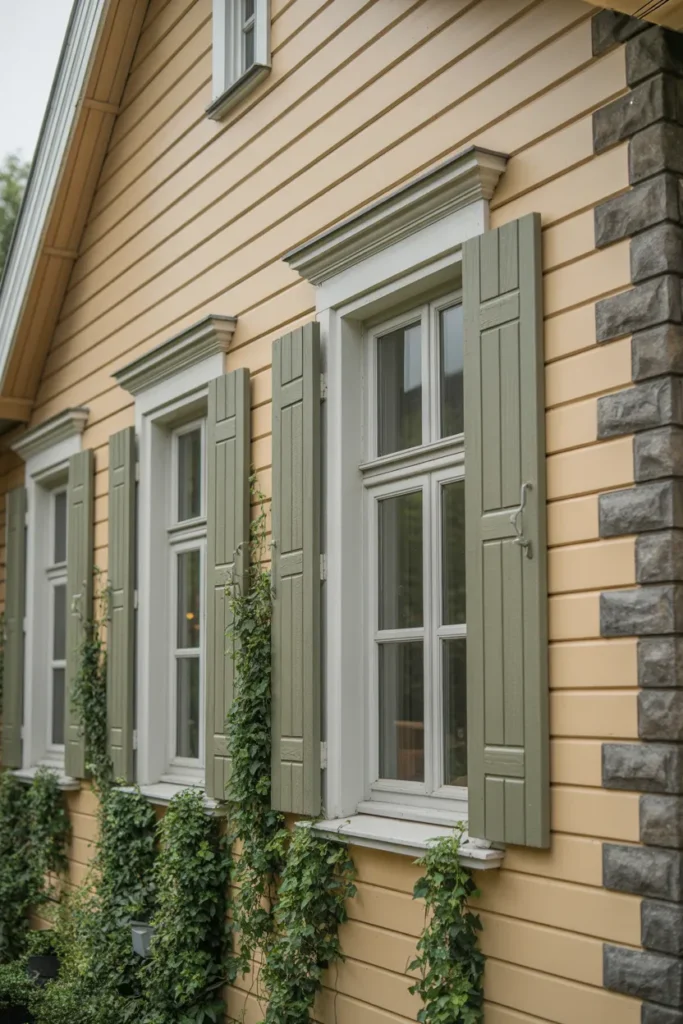
Soft white trim paired with subtle stone accents is the epitome of understated elegance. This combination works because it layers visual interest—white draws attention while stone grounds and adds texture. Unlike bold contrasts, this approach feels calm and intentional, inviting people to linger and appreciate the details. The beauty lies in the restraint; you’re not shouting for attention, you’re creating something that feels naturally refined. Homeowners who choose this style often report that their homes feel more inviting and less stark than pure white. The pairing also works across multiple architectural styles, from cottage homes to refined farmhouses to classic colonials. It’s a choice that feels both current and timeless simultaneously.
What I’ve noticed about this combination is how it draws out the architectural character of a home. The stone accents—whether they’re decorative keystones, bands, or corner details—add dimension that photographs gorgeously in natural light. White trim keeps everything bright and fresh while stone prevents the look from feeling plain or one-dimensional. This approach also ages beautifully; soft whites and stone tones develop character over time without looking dated or tired. The tactile quality matters too—varying textures between smooth trim and rough stone create visual movement. Homeowners appreciate that this style feels sophisticated without being trendy, maintaining its appeal and value for years. It’s especially effective on homes with larger windows or traditional detailing.
3. Copper and Verdigris
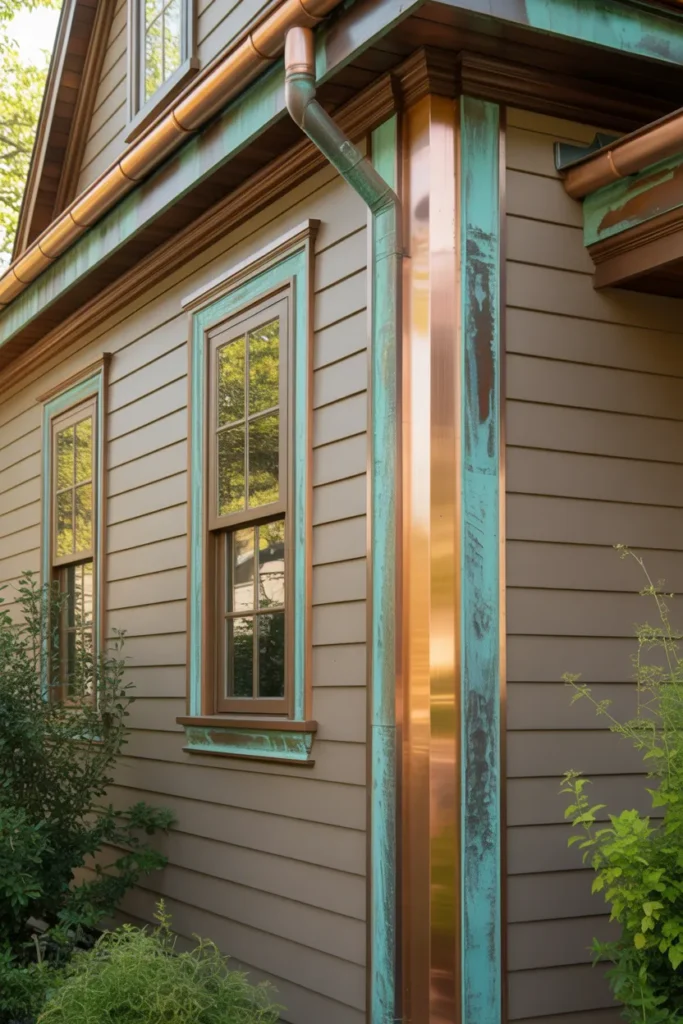
Copper and verdigris trim represents a more sophisticated, high-end approach to window framing. This option appeals to homeowners who want their exterior to feel like a curated design choice rather than a standard upgrade. The magic happens over time—new copper has warm, luxurious appeal, and as it naturally oxidizes, it develops a stunning blue-green patina called verdigris. This transformation is different from other trim materials because it’s living, organic, and unique to your climate and environment. Coastal homes see faster patina development, while drier regions may retain warmer copper tones longer. The result is a window treatment that becomes more beautiful and interesting as years pass. This approach signals intentional design and investment-level thinking about exterior aesthetics.
I’ve seen copper trim completely elevate homes that might otherwise feel ordinary or dated. The metal’s natural reflectivity catches light beautifully throughout the day, creating movement and depth that static materials can’t achieve. Copper pairs exceptionally well with warm neutrals, soft grays, and even muted earth tones, giving homeowners flexibility in overall color schemes. The patina development means your home tells a story—visitors can literally see the passage of time and care embedded in the materials. While copper requires slightly more maintenance than standard trim options, the aesthetic return justifies the effort for many homeowners. This choice particularly appeals to those building or renovating with longevity and timeless elegance in mind.
4. Stained Wood Warmth
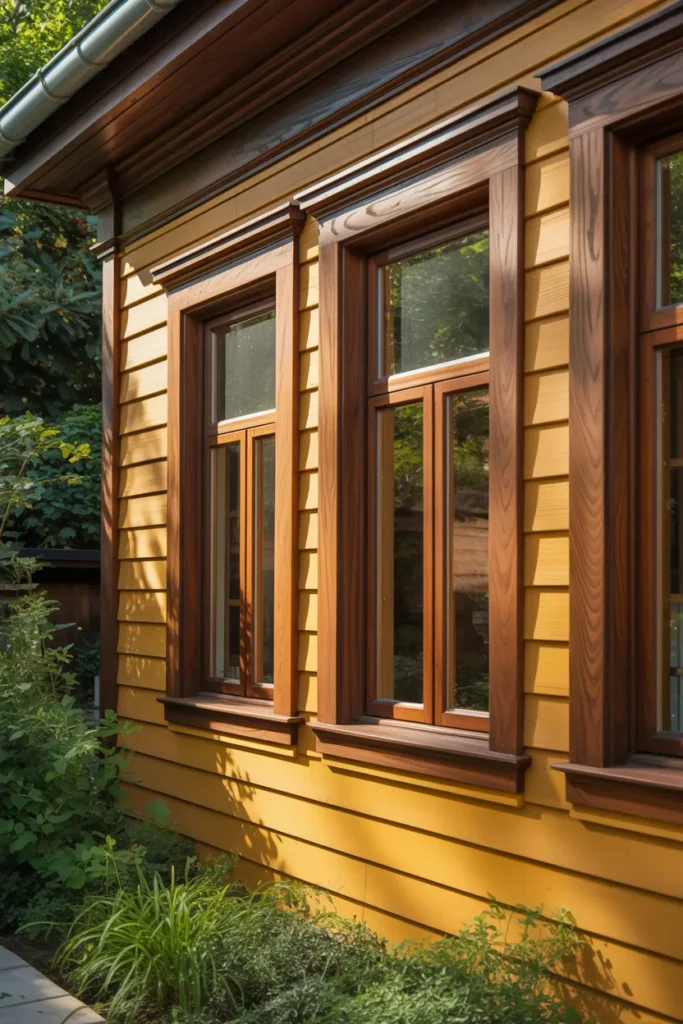
Stained wood trim offers warmth that painted materials simply can’t replicate. When you choose rich wood staining for your window frames, you’re introducing natural texture and color variation that makes your home feel grounded and authentic. The wood grain becomes a design element—visible, tactile, and genuinely beautiful rather than hidden beneath layers of paint. This approach works especially well on homes with traditional architecture or those surrounded by natural landscapes where wood materials feel at home. I’ve noticed that stained wood trim makes homes feel more inviting and less sterile than painted alternatives. The color deepens over time as UV exposure develops a natural patina, meaning your frames become more interesting and characterful with age. This is an investment in materials that improve with time rather than decline.
What makes stained wood effective is its ability to bridge interior and exterior design. If your home’s interior features wood elements—flooring, beams, or trim—carrying that warmth to your windows creates cohesive flow from inside to outside. The natural variation in wood grain means no two frames look identical, adding organic authenticity that feels intentional and curated. Stained wood also photographs beautifully, especially in warm light where the depth and richness of the stain becomes a focal point. Homeowners appreciate that this choice feels substantial and real—there’s no pretending this is anything other than genuine material. Maintenance requires occasional refinishing, but this upkeep becomes part of the home’s story, a testament to care and longevity. Many designers recommend this approach for homes where authenticity and natural beauty matter more than convenience.
5. Minimalist Thin Lines
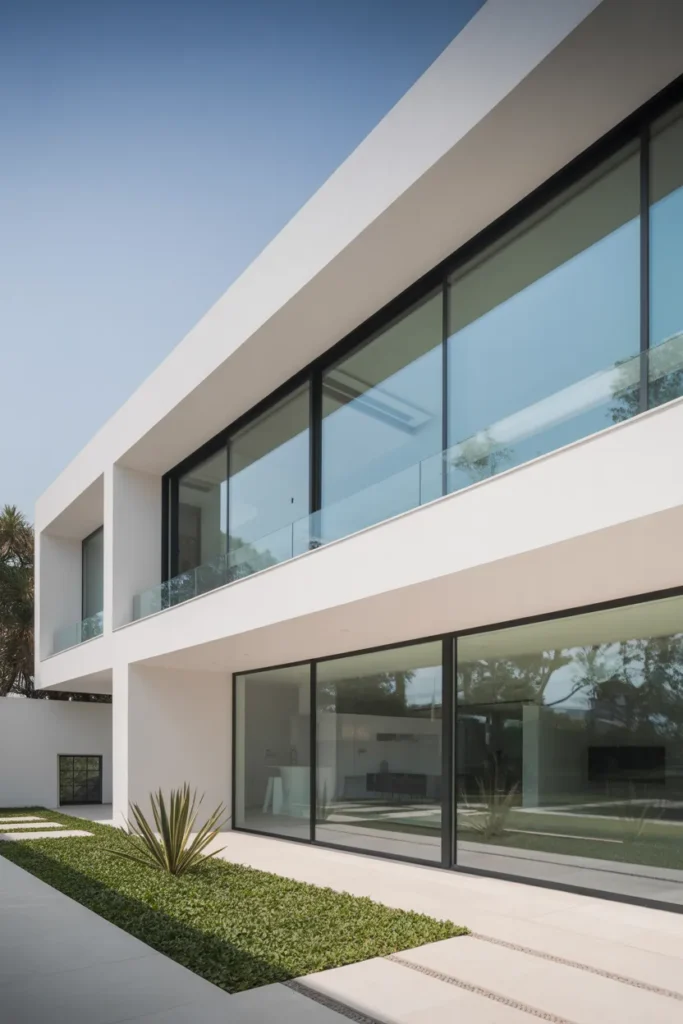
Minimalist thin-line trim is the choice for homeowners who believe less is more. This approach reduces the visual weight of window frames to nearly invisible, which paradoxically makes windows feel more prominent and expansive. By stepping back and letting glass take center stage, you create a sense of openness and flow between interior and exterior spaces. This style works beautifully on modern homes, farmhouse designs with clean lines, and any architecture where simplicity and functionality are core values. The framing becomes almost abstract—just enough material to function structurally, nothing more. I’ve seen this style make modest-sized windows feel larger simply by eliminating visual bulk. Contemporary homes especially benefit from this restrained approach, where every element serves a purpose and decorative elements are viewed with skepticism.
What’s interesting about minimalist trim is how it shifts focus entirely to the view and the glass itself. Rather than drawing attention to the frame, you’re inviting people to look through to what’s beyond—landscape, interior spaces, or architectural depth. This approach pairs perfectly with large windows or glass walls where the view deserves prominence. The thin-line aesthetic also suits homes in beautiful natural settings where the outdoor landscape should dominate visually. Maintenance becomes simpler because there’s minimal trim surface to clean or maintain. Homeowners who choose this style often report that their homes feel more spacious and contemporary than they did before. The visual lightness doesn’t sacrifice structural integrity; it simply prioritizes clean design over ornamental expression. This represents a philosophical choice about what matters in exterior design.
6. Decorative Shutters and Trim
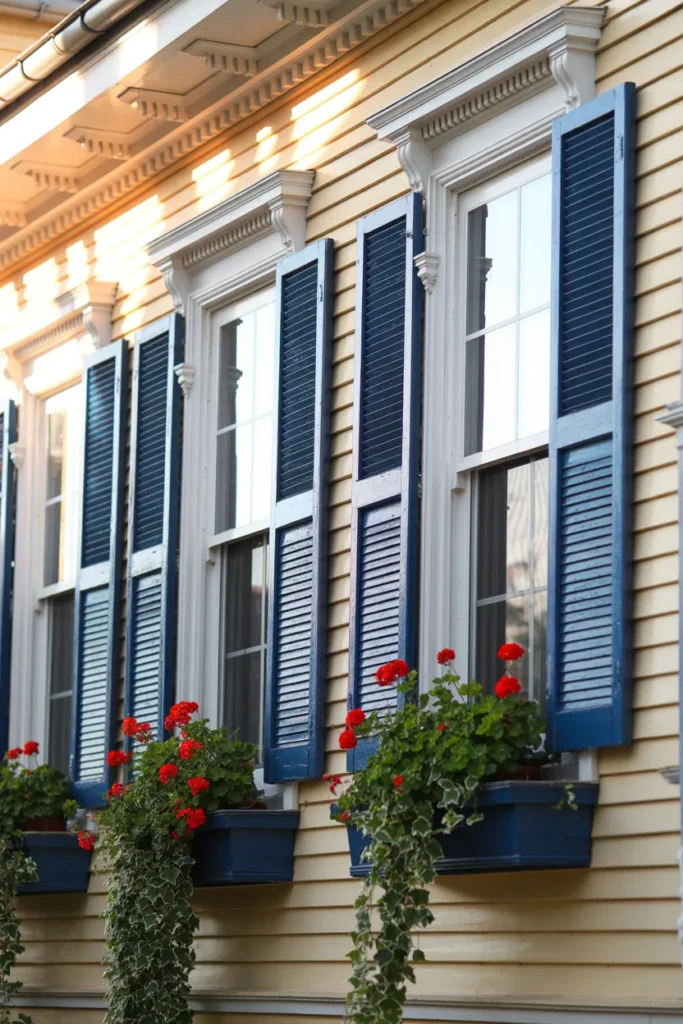
Decorative shutters paired with coordinating trim is a time-tested approach that never loses its appeal. This combination creates intentional, finished-looking exteriors that feel complete and thoughtfully designed. The shutters frame windows while the coordinating trim provides structure and definition—together they create visual balance and symmetry that feels inherently pleasing to the eye. This style works especially well on traditional, colonial, and classic farmhouse homes where these elements feel architecturally appropriate. I’ve observed that homes with this styling choice feel more cared-for and polished than those without. The color coordination matters tremendously; choosing a rich accent color for both shutters and trim creates visual weight and sophistication. This approach signals to viewers that someone has thought carefully about every detail, creating homes that photograph beautifully and feel genuinely welcoming.
What makes shutters and coordinating trim so effective is the balance they create on a facade. Windows become architectural focal points rather than just functional openings. If you add window boxes with seasonal plantings, the entire composition becomes a curated design statement that evolves throughout the year. The framing also serves a practical purpose—properly fitted shutters can actually protect windows while adding beauty. Homeowners appreciate the traditional, timeless quality of this approach; it feels substantial and real rather than trendy or temporary. The visual rhythm created by repeated shutter and trim details across multiple windows creates architectural harmony. That’s why many designers recommend this approach for homes wanting to increase curb appeal while maintaining classical elegance.
7. Charcoal and Concrete
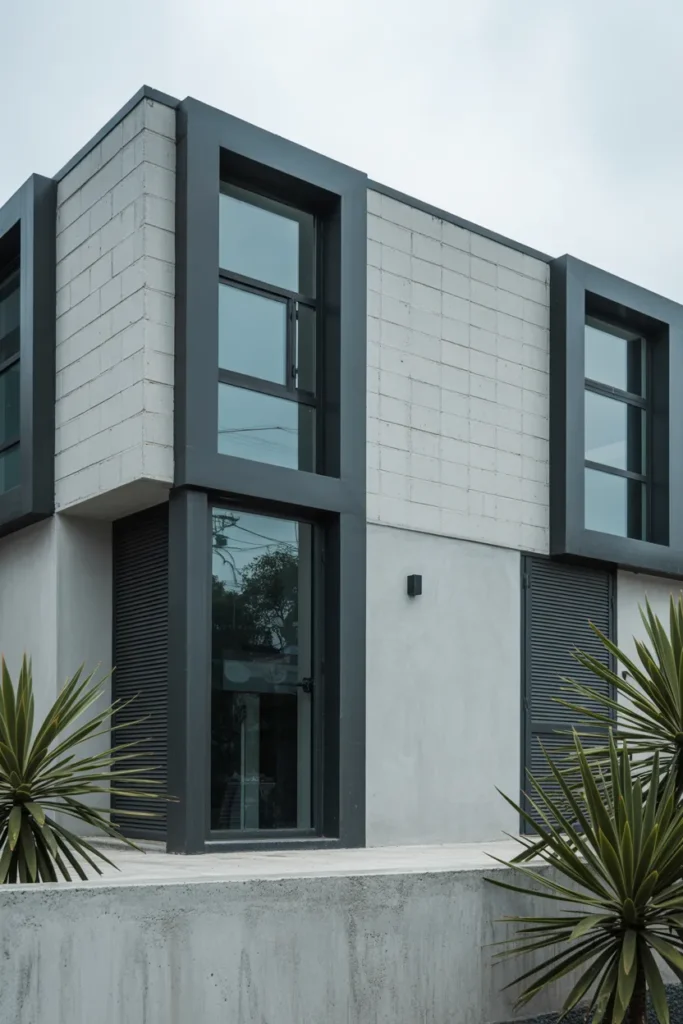
Charcoal and concrete trim combinations represent cutting-edge modern design that feels intentional and architecturally confident. This pairing works because both materials are honest—concrete doesn’t pretend to be anything other than what it is, and charcoal trim does the same. The result is an exterior that feels authentic, purposeful, and uncompromising in its design vision. This style appeals to homeowners who view their exterior as an extension of their design philosophy rather than simply a pretty facade. I’ve noticed that homes with this combination photograph beautifully in modern design publications and attract buyers who value contemporary aesthetics. The cool palette creates a sophisticated, almost gallery-like quality to the home’s appearance. Unlike traditional trim choices that rely on warmth and coziness, this approach prioritizes clean lines and material honesty. It’s a bold choice that requires confidence in modern design principles.
What’s compelling about charcoal and concrete combinations is how they age beautifully without looking tired. Unlike materials that fade or discolor, these tones actually develop more character over time. Metal trim develops a subtle patina while concrete weathers into deeper, more complex tones. This approach suits homes with minimalist landscaping and architectural plant selections, where the building itself is the primary design focus. Homeowners appreciate the low-maintenance aspect—no staining or repainting required in the traditional sense. The visual impact is substantial; charcoal trim on concrete creates a gallery-quality appearance that makes your home feel like a deliberate design object. This style particularly appeals to architects, designers, and those building custom homes where every detail reflects intentional choice. The sophistication comes from restraint, letting materials speak for themselves.
8. Painted Brick Contrast
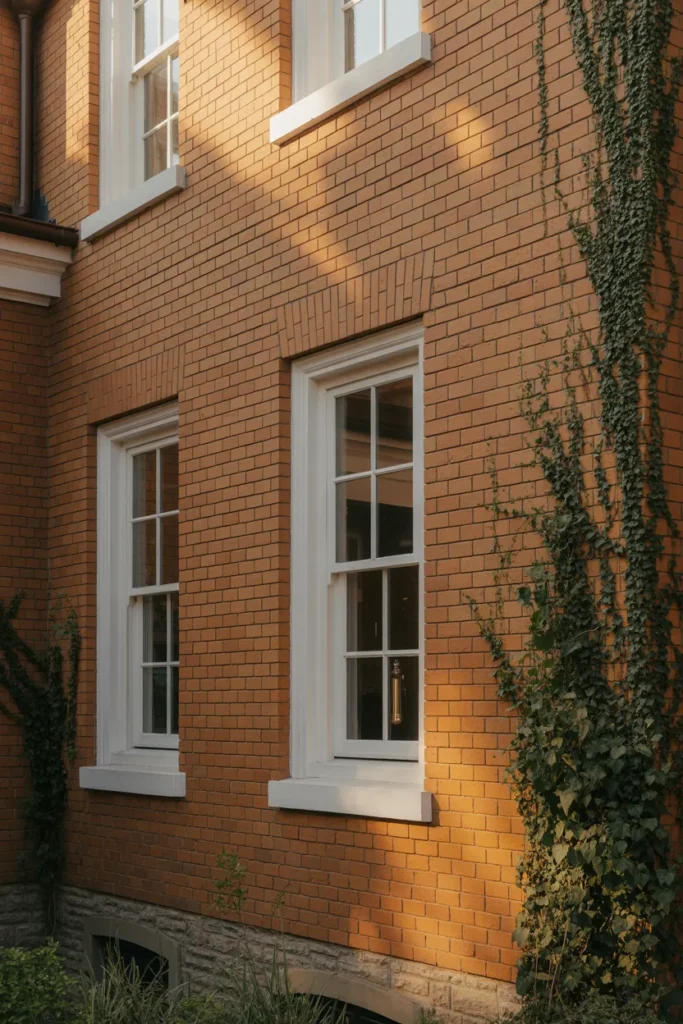
Painted trim that contrasts beautifully with brick creates instant visual drama and architectural interest. When brick is the primary material, your trim choice becomes the punctuation that emphasizes every window opening. Bright white or soft cream trim against warm or deep brick creates a classic combination that has proven timeless across decades and architectural styles. This approach works because it leverages the existing beauty of brick—a material that already has tremendous character—and enhances it rather than competing with it. I’ve seen this simple change completely transform how a home photographs and presents itself to the street. The contrast draws the eye to windows as intentional architectural features, and the interplay of colors creates visual movement across the facade. This style particularly suits homes with classic proportions where traditional detailing matters. It’s one of the highest-impact, lowest-cost exterior upgrades available.
What makes brick with contrasting trim so effective is how it respects the home’s architectural heritage while making it feel current. The white or pale trim acts as a reset button, making brick feel fresh and present rather than dated. The contrast also serves a functional purpose—it emphasizes window placement, making the architectural logic of the facade more apparent and intentional. Homeowners notice that this approach makes windows feel larger and more prominent, which improves both curb appeal and the sense of interior brightness. The color combination photographs exceptionally well in natural light, making your home shine in real estate listings and personal photos. That’s why many designers recommend this approach for brick homes wanting immediate transformation. The beauty is that you’re not fighting against your existing materials; you’re partnering with them. The brick provides warmth and character while pale trim provides clarity and freshness—together they create something greater than either element alone.
9. Rustic Cedar and Metal
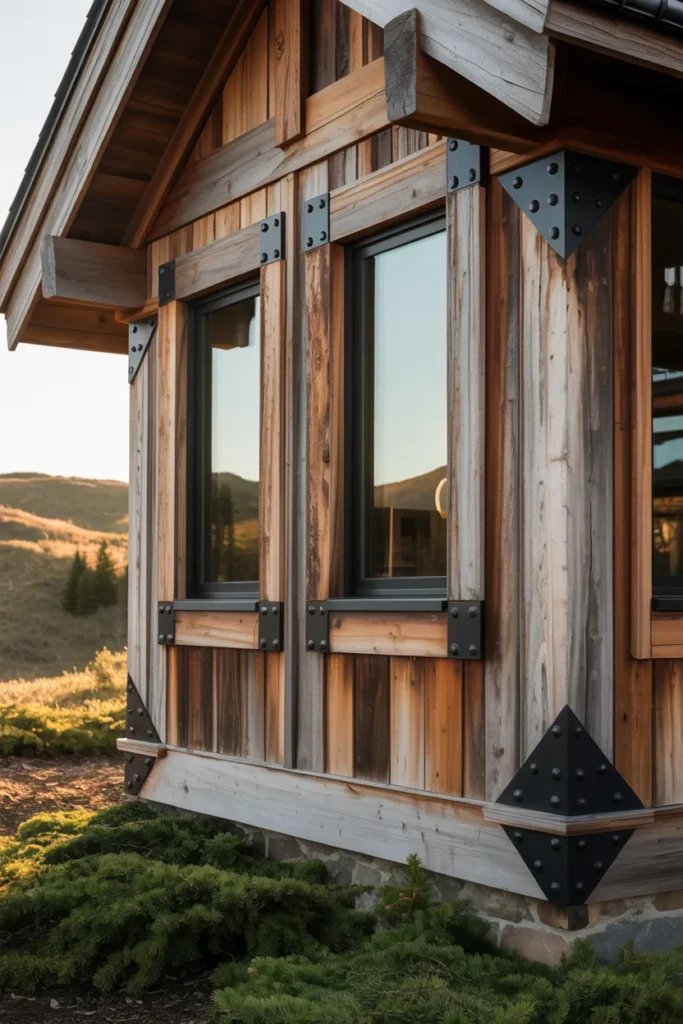
Rustic cedar trim paired with metal accents is the choice for homeowners building or renovating homes in natural settings. Cedar brings authentic character that speaks to the landscape and environment surrounding your home. As cedar naturally weathers, it develops a silver-gray patina that becomes more beautiful year after year—unlike painted trim that fades or chips, weathered cedar tells a story of time and exposure. The addition of metal accents—whether corner brackets, hardware details, or trim bands—adds sophistication and intentional design to otherwise casual materials. This combination works beautifully on mountain homes, rural properties, and those surrounded by forest or natural landscape. I’ve noticed that homes with this styling feel genuinely connected to their environment rather than imposed upon it. The material choices respect the context and climate, creating exteriors that feel inevitable rather than decorative. This is an approach that prioritizes authenticity over trend.
What’s remarkable about rustic cedar and metal combinations is how they improve with age and exposure. Unlike materials that deteriorate, cedar and weathered metal develop character and depth. The patina that develops tells the story of your home’s exposure to sun, wind, and rain—this weathering is considered beautiful rather than requiring repair. Homeowners appreciate that this approach feels genuine and grounded; there’s no pretending these are anything other than honest materials responding naturally to their environment. The metal accents provide visual punctuation, preventing the overall effect from feeling too soft or rustic. This pairing particularly suits homes with large windows designed to frame natural views—the trim becomes secondary to what’s beyond. Designers often recommend this approach for homes where the landscape is as important as the building itself. The investment in quality cedar and metal pays dividends by creating homes that feel authentic and increasingly beautiful as they age.
10. Sage Green Elegance
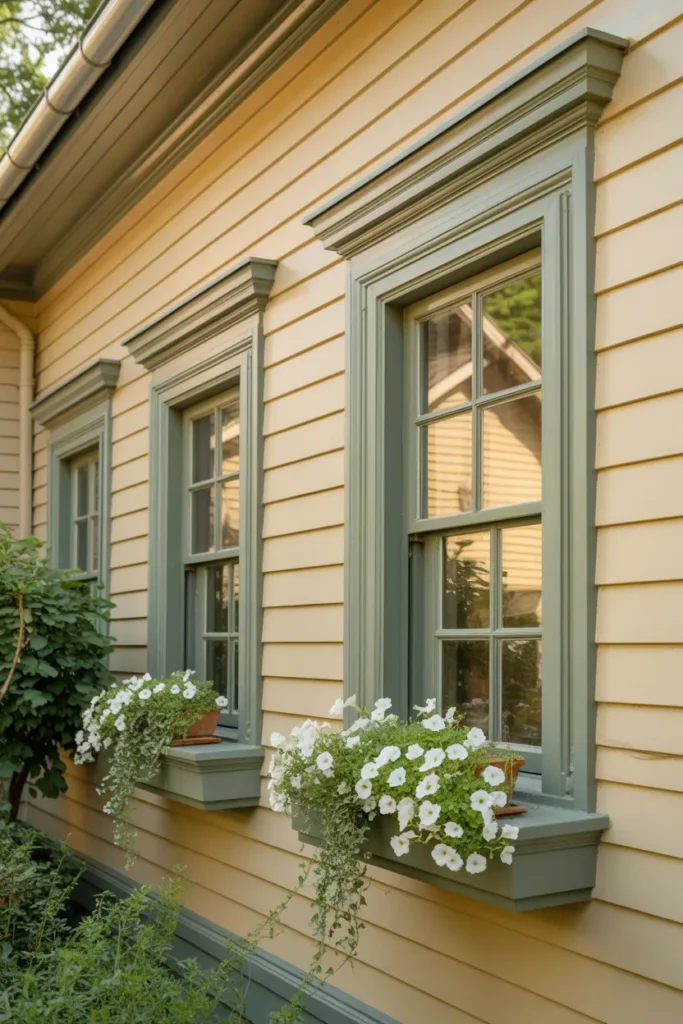
Sage green trim represents a sophisticated middle ground between bold statement colors and safe neutrals. This color choice brings organic, calming energy to your exterior while still creating intentional visual interest. Sage green works because it’s inspired by natural landscape—it echoes foliage without being overwhelming or trendy. Unlike bolder accent colors that require confidence and can feel risky, sage green feels inherently balanced and harmonious. I’ve observed that homes with sage green trim feel more inviting and thoughtfully designed than those with purely neutral trim. The color creates sophistication without drama, interest without intensity. This approach appeals to homeowners who want their exterior to reflect refined taste and nature-inspired design principles. Sage green pairs beautifully with warm cream, soft taupe, pale gray, and even pale blue exteriors, giving you flexibility while maintaining cohesive aesthetics. The color photographs beautifully in natural light, creating warm, welcoming images.
What makes sage green particularly effective is how it bridges interior and exterior design seamlessly. If your home’s interior features soft, natural color palettes—which is increasingly common in contemporary design—carrying sage green to the exterior creates flow and intention. The color also complements natural landscaping perfectly; green trim doesn’t compete with garden colors but rather harmonizes with them. Homeowners appreciate that this choice feels current without being trendy; sage green has enduring appeal across design styles and eras. The color develops subtle depth in different lighting conditions, appearing richer in warm light and softer in cool light. That’s why many designers recommend this approach for homes wanting sophistication with approachability. Sage green trim makes your home feel like it belongs in its landscape rather than imposed upon it. The investment in this color choice pays dividends through improved curb appeal and a sense of intentional, nature-informed design.
11. Ornate Victorian Details
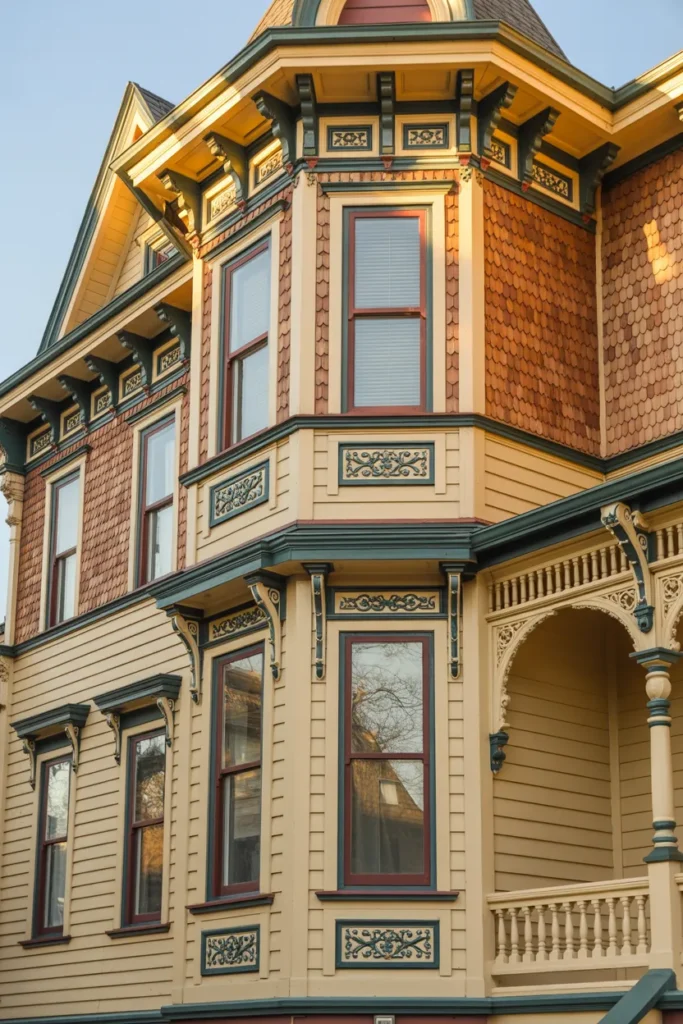
Ornate Victorian-style trim details represent a celebration of architectural craftsmanship and historical authenticity. This approach isn’t about adding unnecessary decoration; it’s about honoring the architectural heritage and design intentions of your home’s original design. Victorian homes were designed with detailed trim work as essential structural and decorative elements—these details communicate quality, care, and intentional design. When you invest in restoring or recreating these details, you’re completing the architectural conversation your home is trying to have. I’ve seen Victorian homes completely transformed when ornate trim receives proper attention and restoration. The details that seemed dated or worn become appreciated as evidence of genuine craftsmanship and historical significance. This approach appeals to homeowners who value authenticity and architectural integrity over contemporary trends. The investment in quality trim work—whether restoration or reproduction—pays significant dividends in how the home is perceived and valued. Period details never feel out of style because they’re not chasing trends; they’re honoring origins.
What’s compelling about ornate Victorian trim is how each detail serves both aesthetic and structural purposes. Cornices manage water drainage, dentil work adds visual rhythm, brackets provide structural support and visual weight—nothing is merely decorative. This intelligent design means your exterior isn’t just beautiful; it’s also thoughtfully engineered. Homeowners appreciate that ornate trim work creates homes that feel substantial, important, and worthy of attention. The level of detail visible in quality trim work tells a story of investment and care. Visitors and passersby notice that something special has been done; the home doesn’t fade into the streetscape but rather commands respect and admiration. That’s why many preservationists and architects recommend authentic restoration for period homes. The ornate details elevate the entire property’s presence and perceived value. This represents a commitment to honoring your home’s architectural heritage while maintaining its beauty and significance for future generations.
12. Modern Recessed Trim
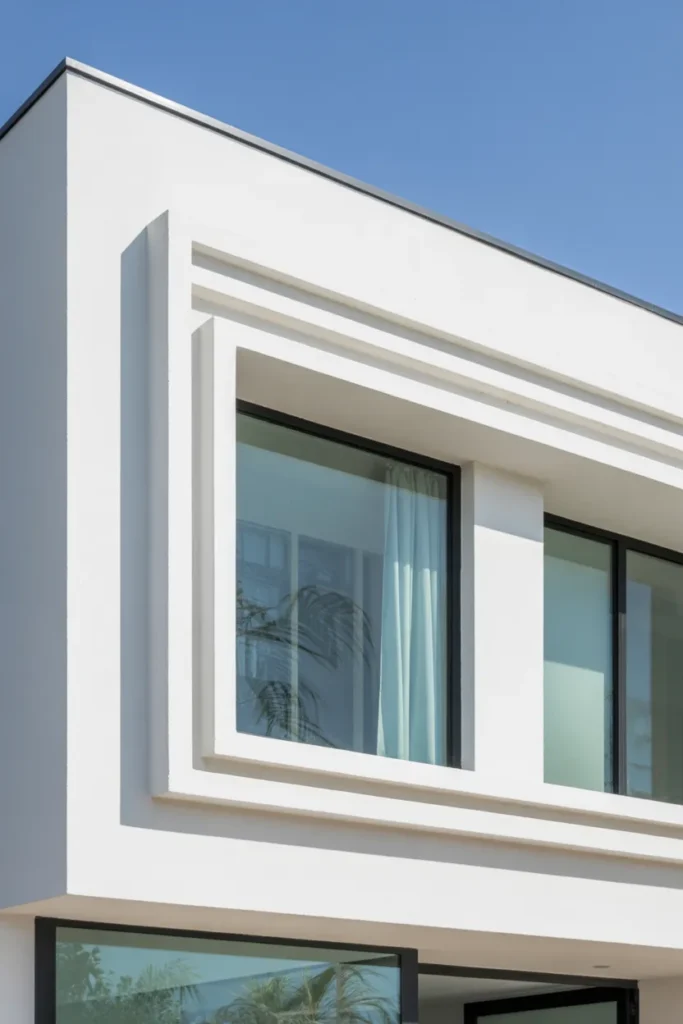
Modern recessed trim represents the evolution of minimalist design—it’s not about the complete absence of detail, but rather about detail expressed through shadow and depth. Recessed frames create shadow lines that define windows without adding visual weight or material bulk. This approach is sophisticated because it requires precision and intentional design; the shadow line itself becomes the design element rather than applied moulding or decorative details. I’ve noticed that homes with recessed trim feel more architecturally refined and intentional than those with flush-mounted frames or protruding trim. The subtle shadow lines create movement and visual interest that changes throughout the day as light conditions shift. This design approach appeals to contemporary homeowners who appreciate nuance and restraint. Recessed trim also serves a practical purpose—it protects window frames from weather exposure by setting them back within the wall plane. The investment in precision installation creates exteriors that feel engineered and thoughtfully designed.
What makes recessed trim particularly effective is how it changes the perception of window depth and wall thickness. The shadow line created by the recessed frame makes windows appear to sit within the building rather than on its surface, adding visual depth and substance. This approach pairs perfectly with large windows and glass walls where you want emphasis on the view rather than the frame. Homeowners appreciate that recessed trim eliminates the visual interruption of protruding trim while still clearly defining window openings. The detail is subtle enough that it doesn’t distract from the overall design vision yet visible enough to communicate precision and care. That’s why many contemporary architects recommend this approach for new construction and modern renovations. The recessed detail becomes visible in photographs, creating subtle visual richness. This represents a philosophical approach to design where less truly becomes more, and detail is expressed through spatial relationships rather than applied decoration.
13. Copper Gutters and Trim
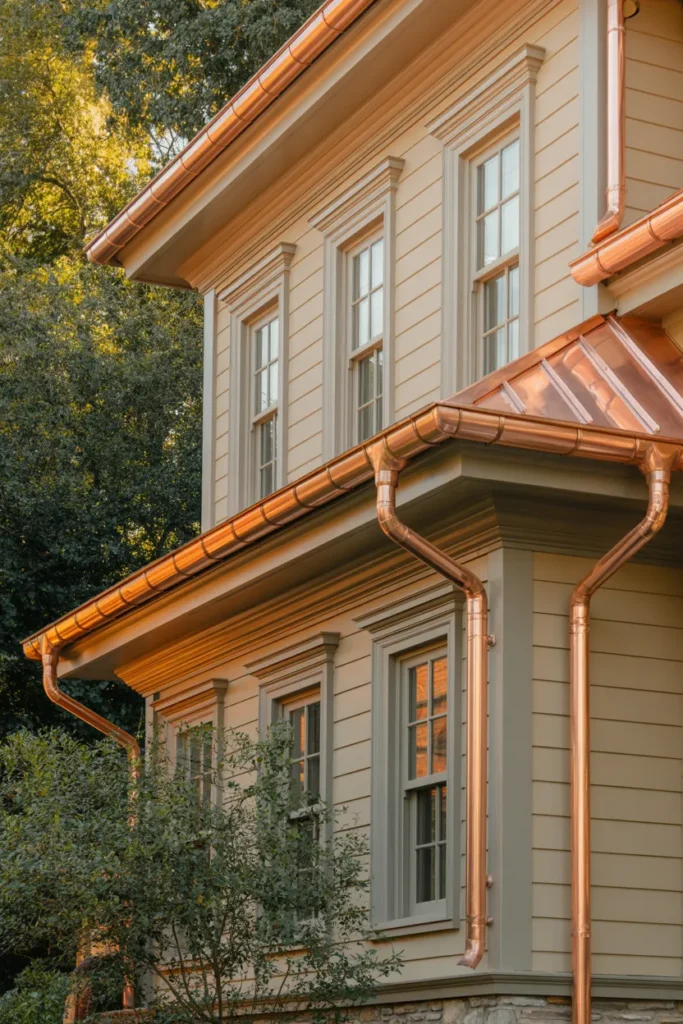
Copper gutters and trim elevate window treatments from functional necessities into genuine design statements. When copper is integrated thoughtfully into your window frame design and gutter systems, it signals investment-level thinking about exterior details. Copper is inherently beautiful—its warm, luxurious appearance improves over time as natural patina develops. Unlike materials that deteriorate, copper becomes more interesting and characterful with age. I’ve seen copper details completely transform how homes are perceived; visitors notice the quality and intentionality immediately. The material catches light beautifully throughout the day, creating movement and visual richness that static materials cannot achieve. This approach appeals to homeowners building custom homes or undertaking significant renovations where every detail reflects personal vision. Copper gutters serve the practical purpose of managing water while also functioning as architectural elements. The investment in quality copper elements pays dividends in perceived value, visual distinction, and timeless appeal.
14. Painted and Paneled
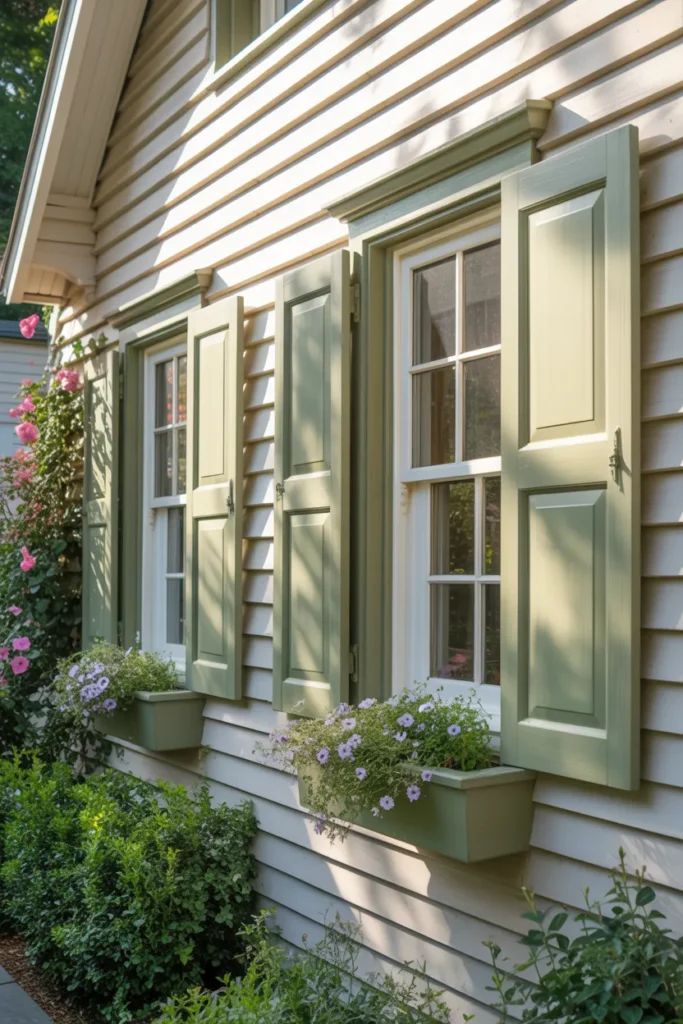
Painted and paneled trim details create the charming, textured appearance associated with authentic farmhouses and cottages. By integrating board-and-batten or shiplap panels into your window frame design, you’re adding layers of visual interest without requiring major structural changes. These textured details catch light beautifully, creating shadows that emphasize the crafted quality of your trim work. I’ve seen this approach completely transform simple windows into architectural features that command attention. The paneling adds tactile quality—the home doesn’t just look interesting visually, it has apparent texture and depth. This style works beautifully on farmhouse, cottage, and traditional homes where layered, textured details feel architecturally appropriate. The painted finishes allow flexibility in color choices, from crisp white to soft neutrals to gentle accent colors. The investment in quality paneled trim work creates exteriors that feel genuinely crafted and intentionally detailed. Homes with this treatment feel more substantial and character-filled than those with plain, flat trim.
What’s appealing about paneled and textured trim is how it brings interior design sophistication to the exterior. If your home’s interior features similar shiplap or paneled details, extending this aesthetic to window frames creates visual continuity and intentional design flow. The textured panels add dimension that photographs beautifully in natural light, creating rich visual interest in images. Homeowners appreciate that this approach feels authentic to traditional home construction while remaining affordable compared to full architectural renovations. The layered details suggest craftsmanship and careful attention, elevating how the home is perceived. That’s why many designers recommend paneled trim details for farmhouse and cottage renovations. The textured surfaces also perform practically—they add slight shadow lines that help define window openings and create visual separation from siding. This represents a design approach where every detail serves both aesthetic and functional purposes. The charming, textured appearance appeals to buyers and visitors seeking homes that feel genuine and character-filled.
Conclusion
The exterior window trim you choose becomes part of your home’s permanent identity. Whether you select bold black frames for modern sophistication, warm stained wood for timeless coziness, or ornate Victorian details for architectural celebration, these choices communicate something important about how you care for your space.
I’ve seen how small changes like these can completely transform how a home feels and how others perceive it. The right trim doesn’t just look beautiful in person—it photographs gorgeously, improves curb appeal, and increases your home’s perceived value. These 13 window trim ideas prove that you don’t need a full renovation to make a dramatic difference.
Now it’s your turn to choose which style resonates with your home and your vision. Save this article, explore the ideas that speak to you, and consider how one of these exterior window trim approaches could refresh your space. Share this with friends or family who might be considering their own exterior updates. Your home deserves trim that reflects the care and intention you bring to everything else—and your curb appeal will thank you for it.
One Comment