
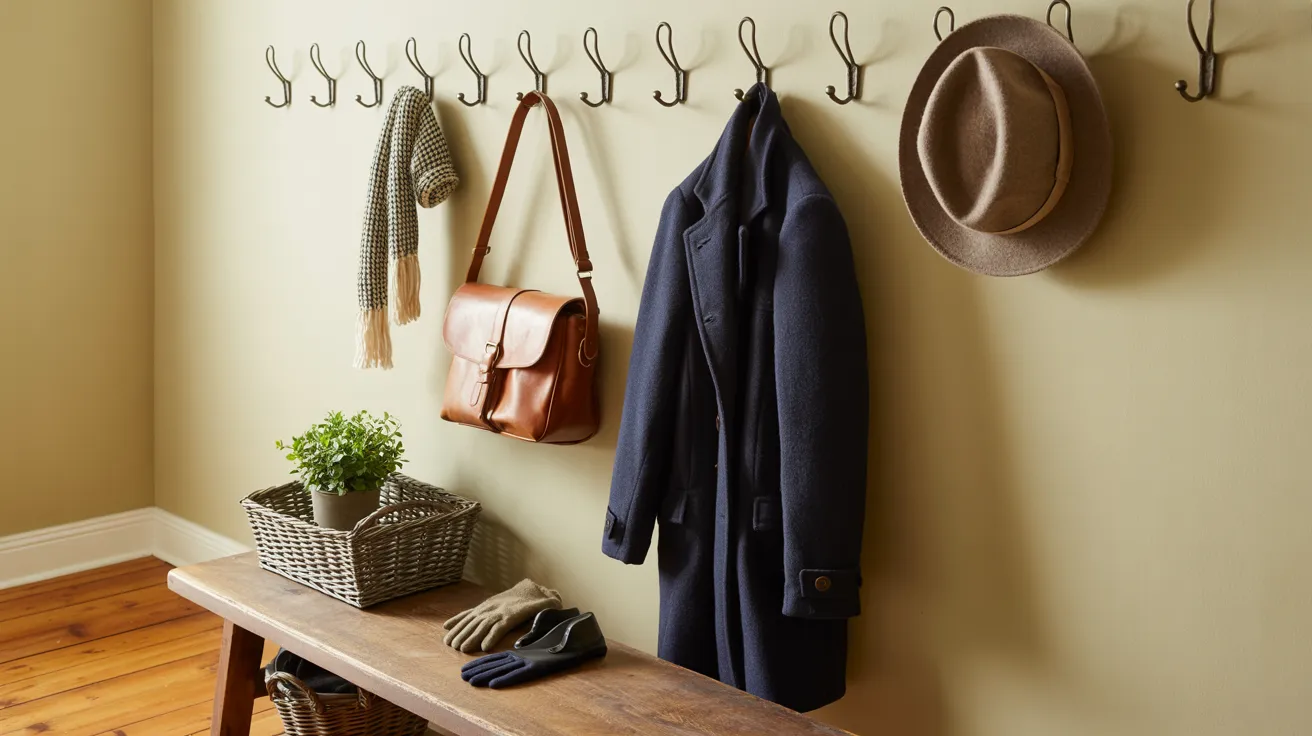
15 Mini Mudroom Entryway Hacks for Tiny Spaces
A mini mudroom entryway can completely change how your home feels the moment you step inside. If your entrance always feels cluttered, cramped, or disorganized, you’re not alone—and this guide is designed to fix exactly that in the most stylish way.
Inside this article, you’ll discover 24 clever, space-saving ideas that turn even the tiniest entry into a functional and visually beautiful zone. From smart wall storage to hidden seating and decorative organization hacks, every idea is designed to bring order, calm, and Pinterest-worthy charm into small spaces.
The mini mudroom entryway is all about making limited space work smarter, not harder. In my experience, even the smallest upgrades—like adding hooks, mirrors, or slim storage—can instantly shift the entire mood of a home entrance. I’ve seen many people transform chaotic corners into organized drop zones that feel surprisingly spacious and welcoming.
Whether you live in an apartment, condo, or compact home, these ideas will help you create a cleaner, more intentional entry that feels both practical and beautiful every single day.
1. Wall Hook Grid
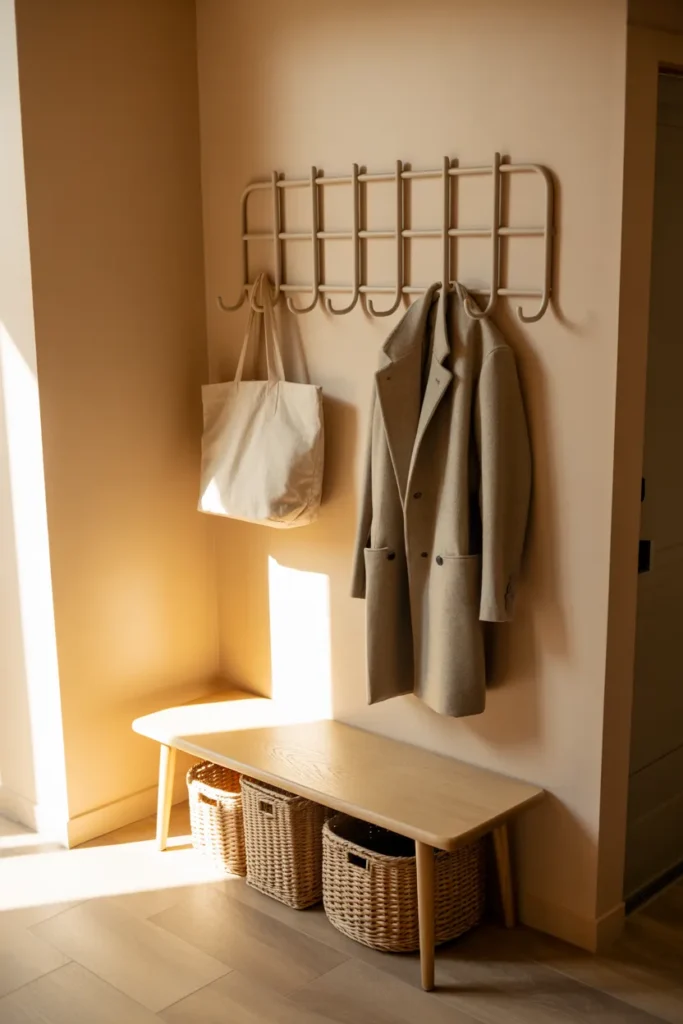
A simple wall hook grid can completely change how a cramped entrance feels the moment you walk inside. Instead of piling jackets and bags onto chairs, everything gets a designated place that looks intentional and tidy. In my experience, this setup works especially well in apartments where every inch matters. A narrow wall suddenly becomes useful storage without taking up walking space. The visual effect is surprisingly calming because the eye sees organized lines instead of clutter. Pairing light wood tones with soft neutral hooks also helps the area feel brighter, cleaner, and far more welcoming throughout the day.
One reason this layout works so well is the balance between function and style. A mini mudroom entryway often struggles with overcrowding, but wall-mounted storage keeps the floor open and breathable. I’ve noticed that adding evenly spaced hooks instantly creates a more polished appearance, even in older homes with awkward layouts. Small woven baskets underneath can hold shoes, pet leashes, or umbrellas while maintaining a cozy Pinterest-inspired look. The result feels practical yet elevated, which is exactly what makes these compact entry solutions so satisfying to use every single day without overwhelming the room visually.
2. Bench Basket Combo
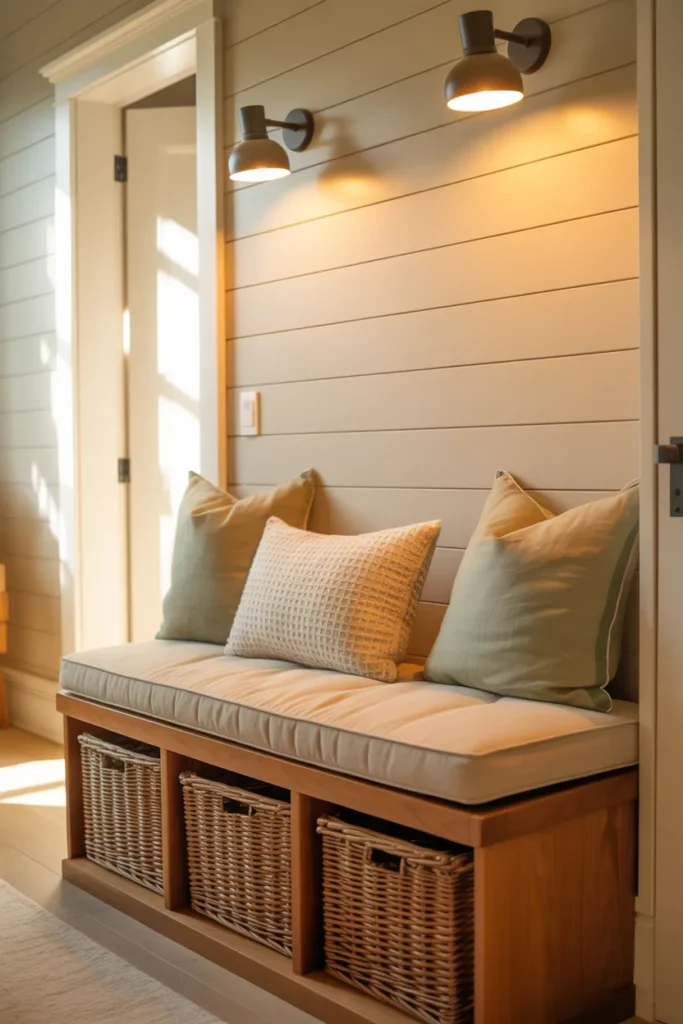
A bench with baskets underneath can make even the smallest entry corner feel complete and thoughtfully designed. Instead of random items piling near the door, hidden baskets create an easy drop zone for shoes, bags, and seasonal accessories. I’ve noticed this setup feels especially helpful during busy mornings because everything stays within reach without looking messy. The seating also adds comfort when putting on shoes, which makes the space feel more functional and welcoming. Soft cushions, woven textures, and warm wood tones give the area a relaxed charm that instantly creates a cozy first impression for guests.
This storage combination works beautifully because it blends organization with visual softness. Many tiny entrances lack personality, but adding layered textures creates a more lived-in and curated atmosphere. In my experience, woven baskets are one of the easiest ways to hide clutter while still keeping essentials accessible. A mini mudroom entryway benefits greatly from furniture that serves multiple purposes without adding bulk. That’s why this idea feels so practical for apartments, condos, and smaller homes. The overall effect is clean yet comfortable, helping the entry stay organized while maintaining a warm and stylish aesthetic every day.
3. Arched Mirror Nook
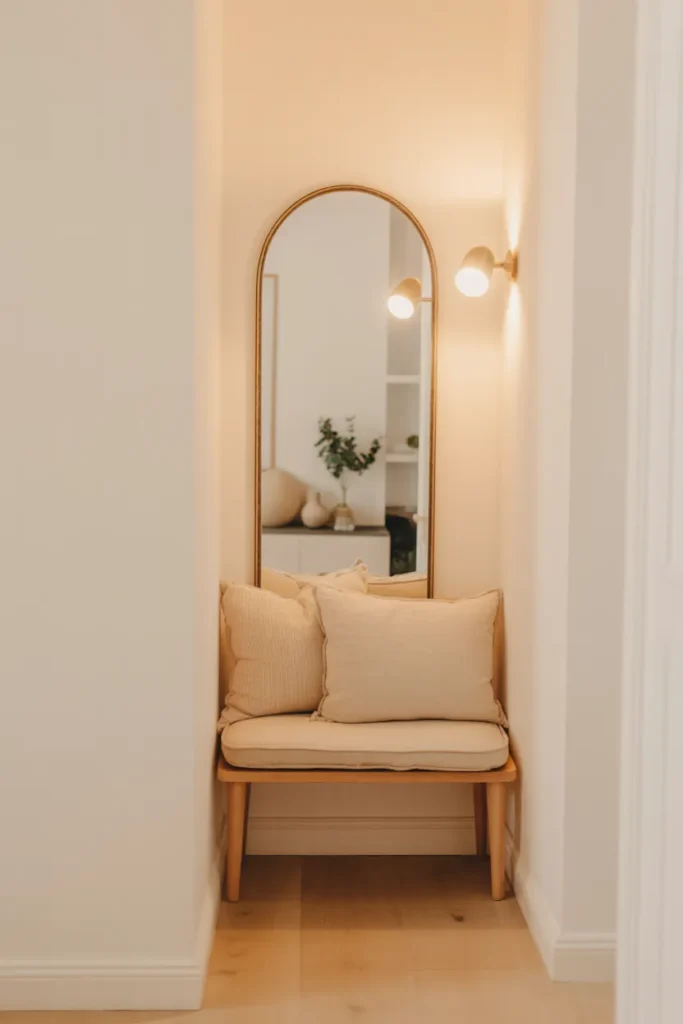
An arched mirror can completely transform the mood of a compact entrance by adding light, depth, and softness in one simple feature. The curved shape feels gentler than standard rectangular mirrors, which helps small spaces appear more welcoming and visually balanced. I’ve noticed this works especially well in apartments with limited natural light because the reflection brightens darker corners instantly. Leaning the mirror beside a slim bench or textured rug also creates a layered designer look without overcrowding the area. Even the smallest entry can suddenly feel more refined, open, and intentionally styled with this elegant addition.
This idea feels especially impactful because mirrors create both visual expansion and decorative interest at the same time. Many compact entrances lack a focal point, making them feel unfinished or purely functional. In my experience, oversized mirrors bring a sense of structure and sophistication that elevates the entire space effortlessly. That’s why many designers recommend statement mirrors in small interiors where every piece must work hard visually. A thoughtfully placed mirror can make a mini mudroom entryway feel larger while still maintaining warmth and personality. The result is an airy, polished atmosphere that immediately enhances the home’s first impression.
also see : 21 Cozy Minimalist Living Room Ideas for Apartments
4. Floating Shoe Shelf
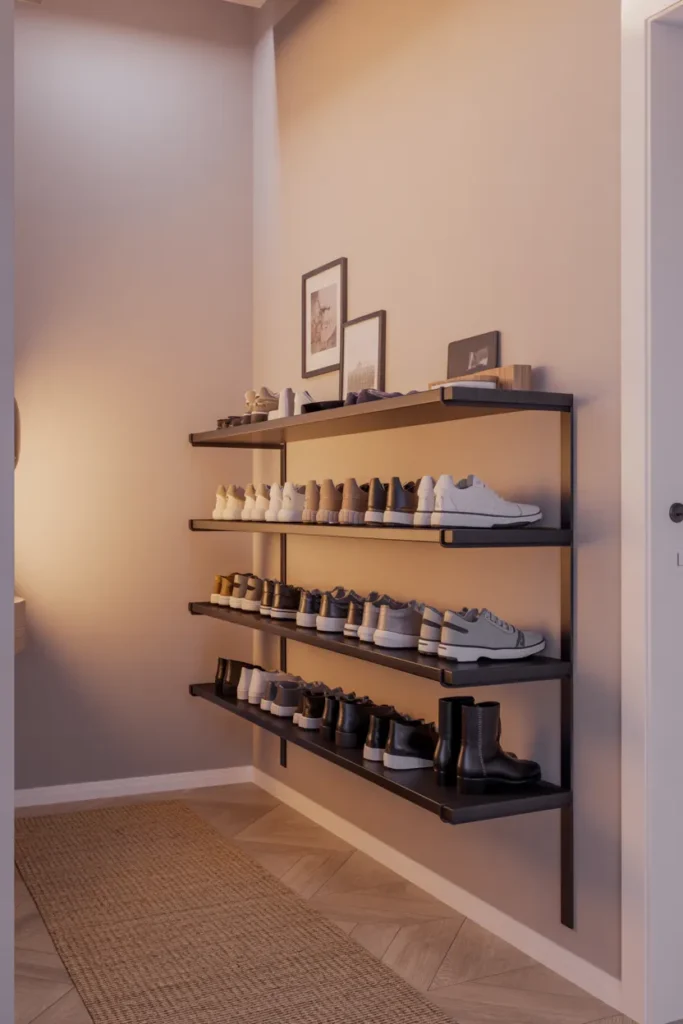
Nothing makes a small entrance feel tighter than scattered shoes covering the floor. Floating shoe shelves solve that problem while creating a clean and modern display that feels intentional instead of chaotic. I’ve seen this work especially well in narrow apartment hallways where bulky storage furniture simply cannot fit comfortably. Keeping footwear elevated allows the floor to stay visible, which instantly helps the room appear larger. Light wood shelves paired with soft wall colors also prevent the setup from feeling heavy. Even a compact corner can suddenly feel styled, practical, and surprisingly open with this simple adjustment.
This idea also works beautifully because it turns storage into part of the decor rather than something you want to hide. A thoughtfully arranged shelf with neutral sneakers, woven bins, and a small plant can create the same curated feeling often seen in Pinterest interiors. That’s why many designers recommend floating storage in a mini mudroom entryway for tiny homes and apartments. Open shelving encourages quick organization since everything remains easy to access during busy mornings. The result is a calmer entry space that supports daily routines while still looking polished, airy, and visually balanced from every angle.
5. Slim Console Corner
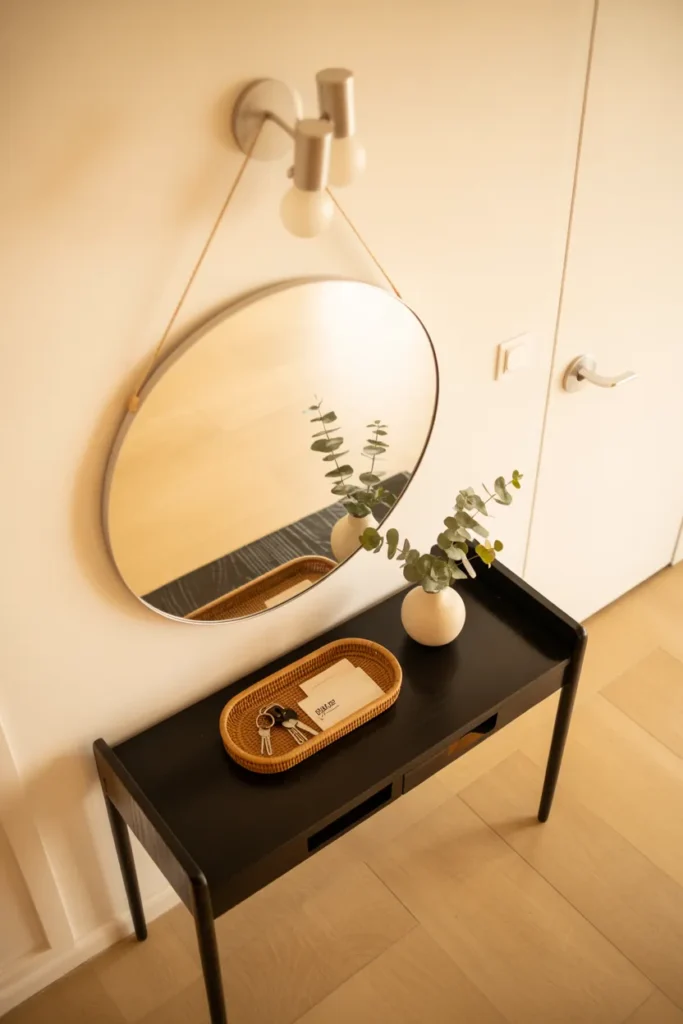
A slim console table can completely redefine an awkward entry corner without making the space feel cramped. The narrow profile keeps pathways open while still offering enough surface space for essentials you reach for every day. I’ve noticed that pairing a small mirror above the console instantly brightens tight areas because it reflects both natural and artificial light. Even simple styling details like a ceramic tray or tiny vase can make the entrance feel thoughtfully designed instead of forgotten. This setup creates a welcoming transition into the home while maintaining the airy look small spaces need most.
What makes this idea especially effective is the balance between decoration and function. Many compact entryways lack structure, so everyday clutter ends up scattered across multiple surfaces. A defined console area naturally encourages organization while adding personality to the room. In my experience, lighter finishes and open-leg furniture prevent the area from feeling visually heavy. That’s why many designers recommend slim furniture pieces for smaller homes and apartment layouts. The result is a cleaner, more elevated entrance that feels intentional, practical, and visually calm from the moment someone walks through the front door each day.
6. Overdoor Storage Rack
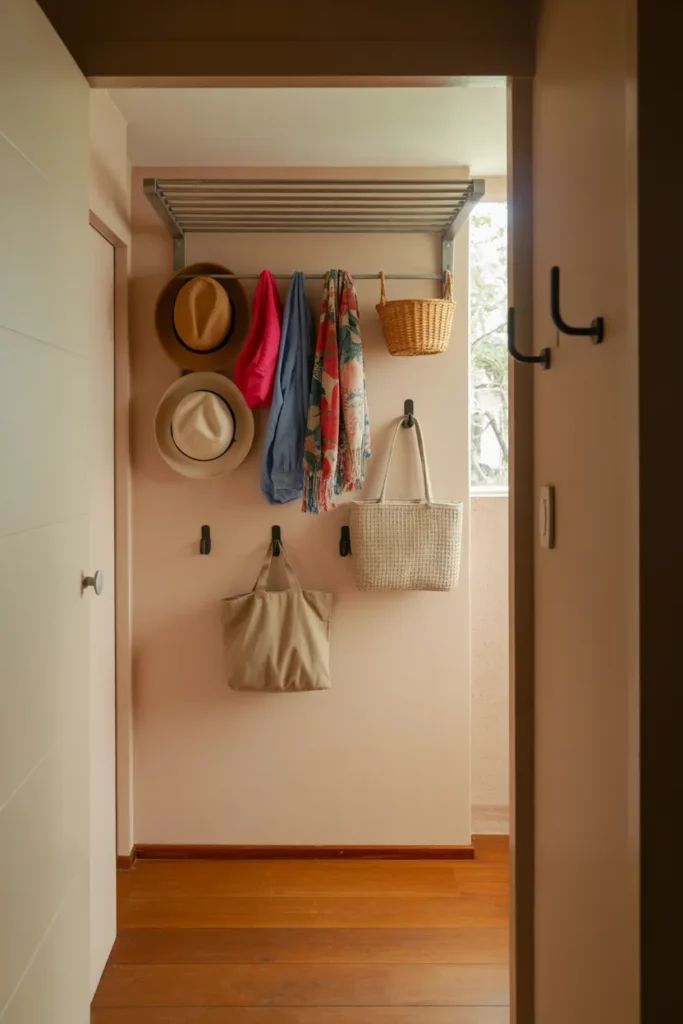
One of the smartest ways to maximize a small entrance is by using the space behind the door. An overdoor rack creates instant storage without taking away precious floor space, making it ideal for apartments and narrow hallways. I’ve seen this work especially well for families who need quick access to scarves, hats, and lightweight bags during busy mornings. Because the storage stays elevated, the entry feels more open and less visually crowded. Neutral bins and coordinated hooks also help the setup look intentional rather than temporary, which makes the entire space appear cleaner and more organized.
This idea works because it transforms an ignored area into something genuinely useful. Many people focus only on walls and floors when organizing an entrance, but doors offer valuable vertical storage potential. That’s why designers often recommend hidden or elevated organization methods in compact homes. In my experience, keeping smaller accessories off benches and countertops immediately reduces visual chaos. A thoughtfully arranged overdoor rack can even make a mini mudroom entryway feel more spacious by clearing surrounding surfaces. The result is a practical setup that supports everyday routines while still maintaining a calm and stylish appearance.
7. Mirror Storage Wall
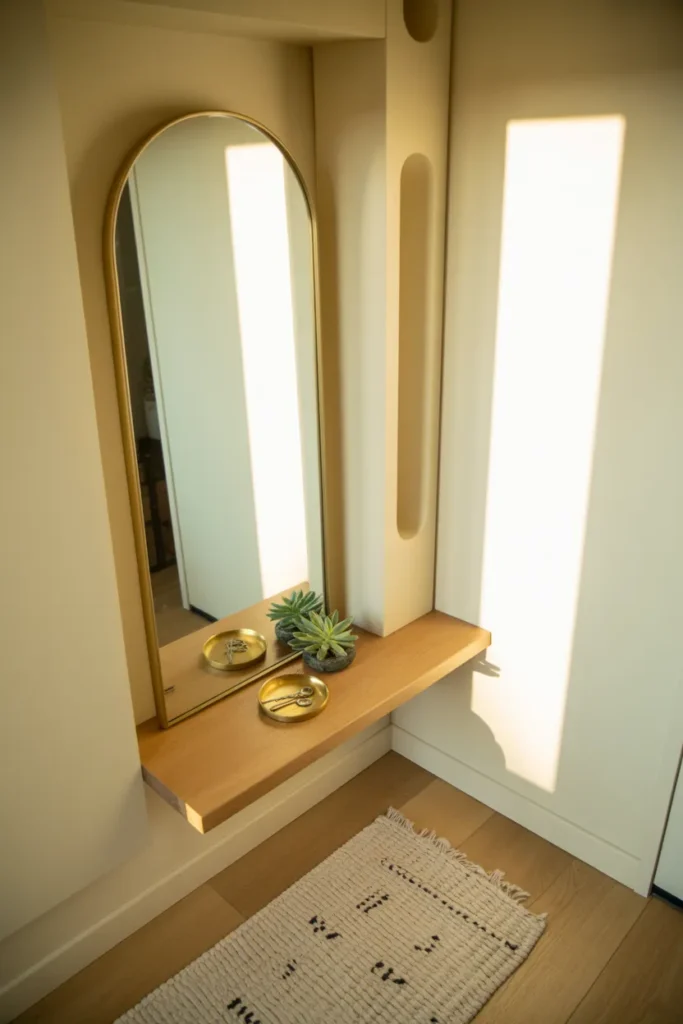
A mirror paired with hidden wall storage can dramatically transform the feeling of a cramped entrance. The reflective surface visually expands the room while helping natural light bounce across the space more evenly. I’ve noticed this combination works especially well in darker apartments where entryways often feel enclosed or overlooked. Small concealed cubbies keep keys, wallets, and daily essentials tucked away without adding visible clutter. The result feels clean, modern, and surprisingly spacious. Even a narrow hallway can gain a more open atmosphere simply by layering reflective surfaces with compact built-in storage features.
This setup is effective because it solves two common problems at once: limited storage and lack of brightness. Many tiny entrances become visually overwhelming when too many baskets or hooks remain exposed. Hidden compartments create a calmer appearance while still keeping everything accessible during busy routines. In my experience, adding a tall mirror also creates a more finished designer look without requiring extra decor pieces. That’s why many homeowners use this approach in a mini mudroom entryway where both function and visual openness matter equally. The overall effect feels sleek, balanced, and highly practical for everyday living.
8. Peg Rail Accent
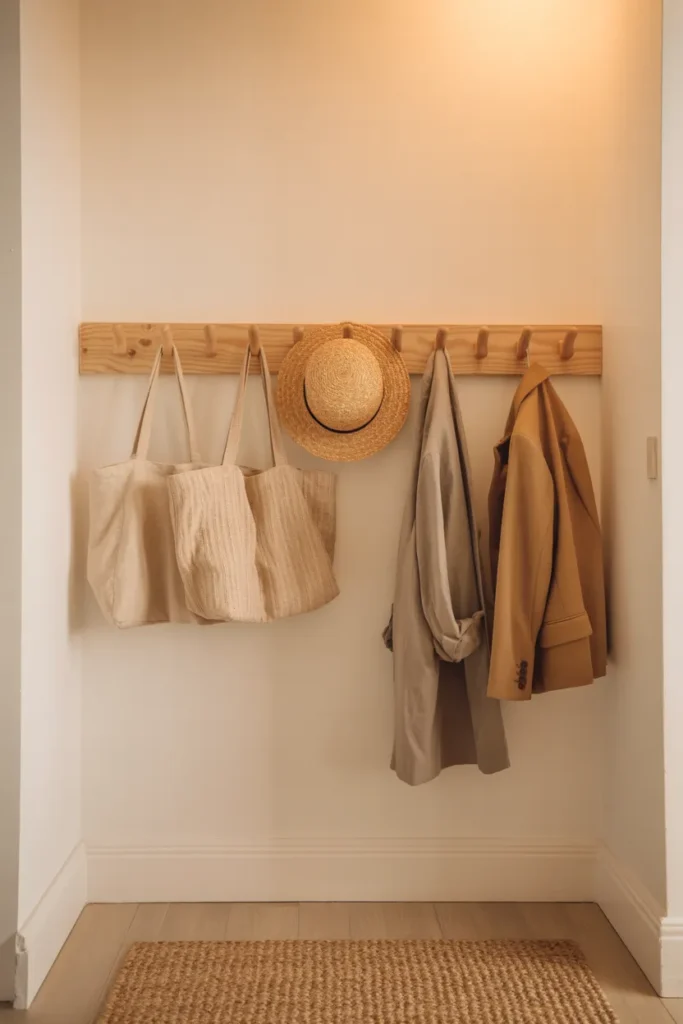
A wooden peg rail can make a tiny entry feel both functional and beautifully styled at the same time. Unlike bulky coat racks, the slim design keeps the wall visually light while still offering enough storage for everyday essentials. I’ve noticed this setup works especially well in homes aiming for a cozy Scandinavian or farmhouse-inspired look. Natural wood tones soften the space and create warmth that instantly makes the entrance feel more inviting. Even a few hanging tote bags or linen jackets can turn an ordinary wall into a carefully styled focal point without adding unnecessary clutter.
This idea feels especially effective because it combines organization with decorative appeal so effortlessly. Many small entryways struggle to feel personal, but peg rails introduce texture and character in a subtle way. In my experience, evenly spaced pegs also encourage tidier habits since each item naturally gets its own spot. A mini mudroom entryway benefits from storage solutions that stay visually simple while still handling daily use. That’s why peg rails remain popular in compact interiors. The final look feels calm, practical, and intentionally designed, making even the smallest entrance appear thoughtfully organized and aesthetically balanced.
9. Corner Coat Ladder
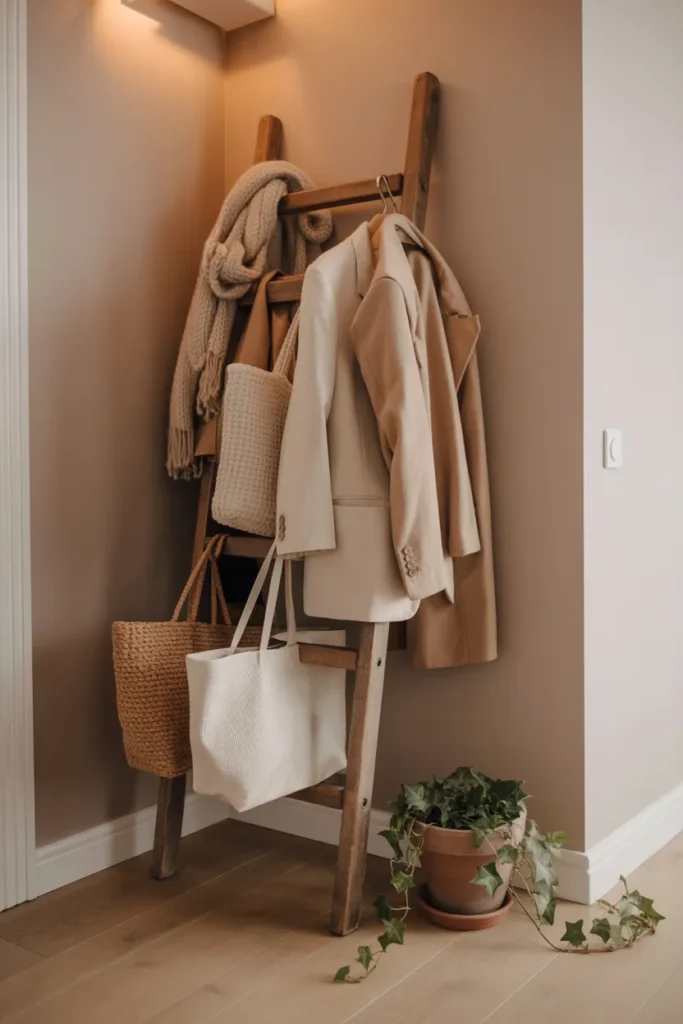
A leaning ladder rack is one of the easiest ways to add stylish storage without overwhelming a small entrance. Unlike bulky coat stands, the open design feels light and airy while still offering practical hanging space for everyday items. I’ve seen this work especially well in apartments where unused corners often become wasted space. The vertical shape naturally draws the eye upward, which can make low ceilings feel slightly taller. Soft wood finishes and textured fabrics also create a cozy layered look that feels warm and welcoming without appearing overly decorated or visually heavy.
This idea works beautifully because it blends casual styling with everyday practicality. Many compact entrances need flexible storage solutions that can adapt easily over time, especially in rental homes. In my experience, ladder racks are incredibly versatile since they can hold scarves, lightweight jackets, small baskets, or even decorative throws. That’s why designers often recommend them for tight layouts needing functional storage without large furniture pieces. A thoughtfully styled ladder can make a small entry feel curated and intentional while keeping the overall atmosphere relaxed, open, and visually uncluttered throughout the entire space every single day.
10. Hidden Cabinet Bench
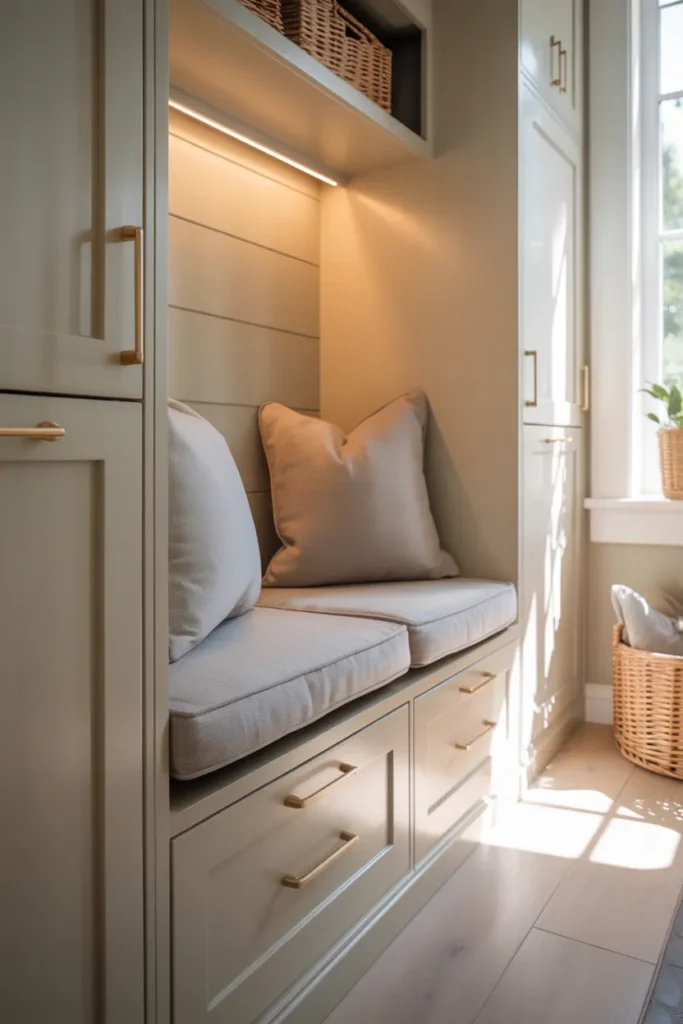
A bench with hidden cabinet storage can instantly make a tiny entrance feel more luxurious and organized. Instead of leaving shoes and bags exposed, everything disappears neatly behind closed doors, creating a calmer and cleaner visual effect. I’ve noticed this setup works especially well in busy households where clutter builds quickly near the front door. The seating adds comfort while the concealed storage keeps daily essentials accessible but out of sight. Soft cushions and light cabinetry also help the space feel brighter and more welcoming. Even a small corner can suddenly resemble a professionally designed custom mudroom area.
What makes this idea so effective is the sense of structure it brings to compact homes. Open storage sometimes looks messy even when organized, but hidden compartments create a streamlined appearance that feels more peaceful. In my experience, people naturally maintain tidier habits when storage is simple and easy to access. A mini mudroom entryway benefits greatly from furniture that combines multiple functions while still looking elegant. That’s why built-in bench cabinets remain a favorite in modern small-space design. The final result feels polished, practical, and visually balanced without sacrificing valuable floor space or comfort.
11. Vertical Cubby Stack
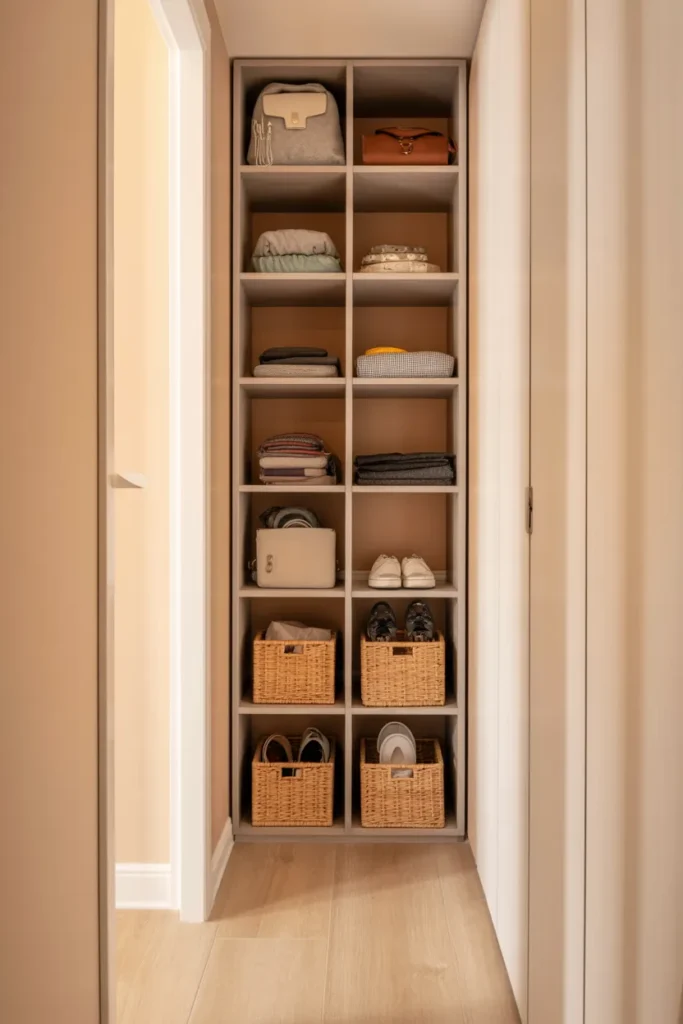
A tall cubby stack can completely reshape how a compact entrance functions on a daily basis. Instead of spreading storage across the floor, everything moves upward into clearly organized sections that feel easy to maintain. I’ve noticed this works especially well for families because every person can have their own designated cubby for shoes, bags, or jackets. The vertical structure also helps small spaces feel more intentional and less chaotic. Light-colored shelving paired with woven bins keeps the overall look soft and airy. Even the narrowest hallway can appear more efficient and visually balanced with this simple storage approach.
This setup feels especially practical because it combines accessibility with strong visual organization. Many tiny entryways become overwhelming when too many items compete for attention near the floor. Vertical storage naturally reduces clutter while creating cleaner lines throughout the space. In my experience, open cubbies encourage quicker organization because essentials remain visible and easy to grab during rushed mornings. That’s why designers often recommend stacked storage systems for compact homes and apartments. The final look feels functional yet styled, giving the entrance a calm and organized atmosphere that supports everyday routines without making the area feel crowded or heavy.
12. Woven Basket Wall
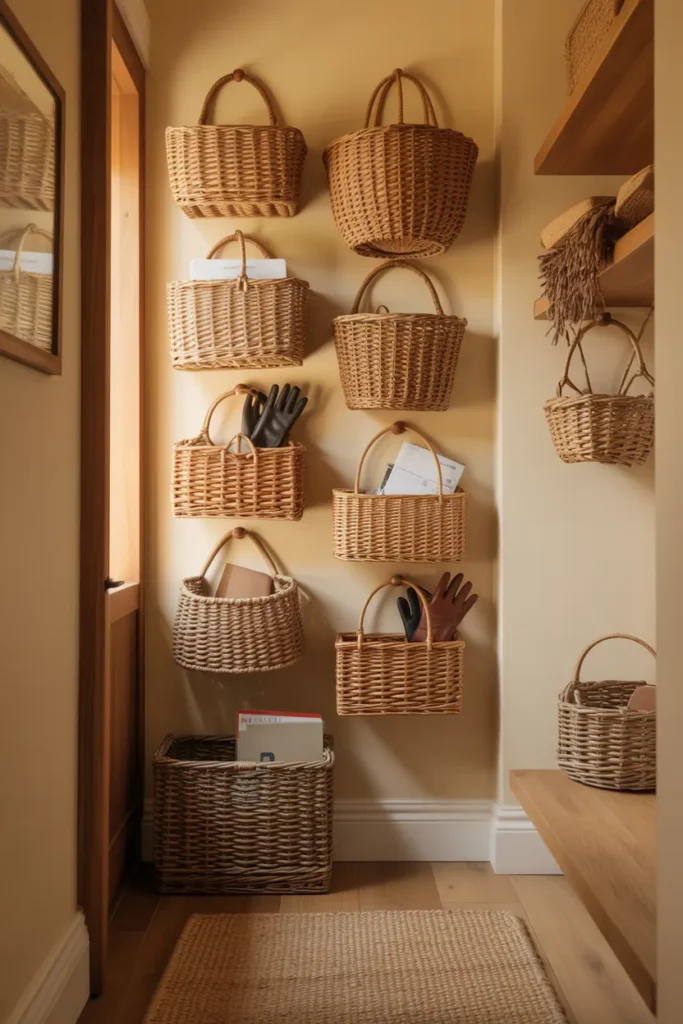
Hanging woven baskets on the wall can instantly make a small entrance feel warmer, softer, and more thoughtfully styled. Instead of relying only on hooks or shelves, this idea adds texture while also creating useful storage for smaller everyday essentials. I’ve noticed these baskets work especially well for mail, gloves, sunglasses, and lightweight accessories that usually end up scattered around the house. Natural woven materials also help balance modern interiors that might otherwise feel too cold or plain. Even a blank wall can suddenly become a practical focal point that adds character without overwhelming the room visually.
This setup works beautifully because it combines decoration and organization in such an effortless way. Many compact entrances need storage that feels visually light rather than bulky or overly structured. In my experience, woven elements soften hard surfaces and instantly make a home feel more welcoming. That’s why many designers incorporate textured storage pieces into small-space interiors. A thoughtfully arranged basket wall can also make a mini mudroom entryway feel more curated and personalized while keeping everyday clutter under control. The overall atmosphere becomes cozy, organized, and inviting from the moment someone steps through the front door.
13. Fold-Down Seat
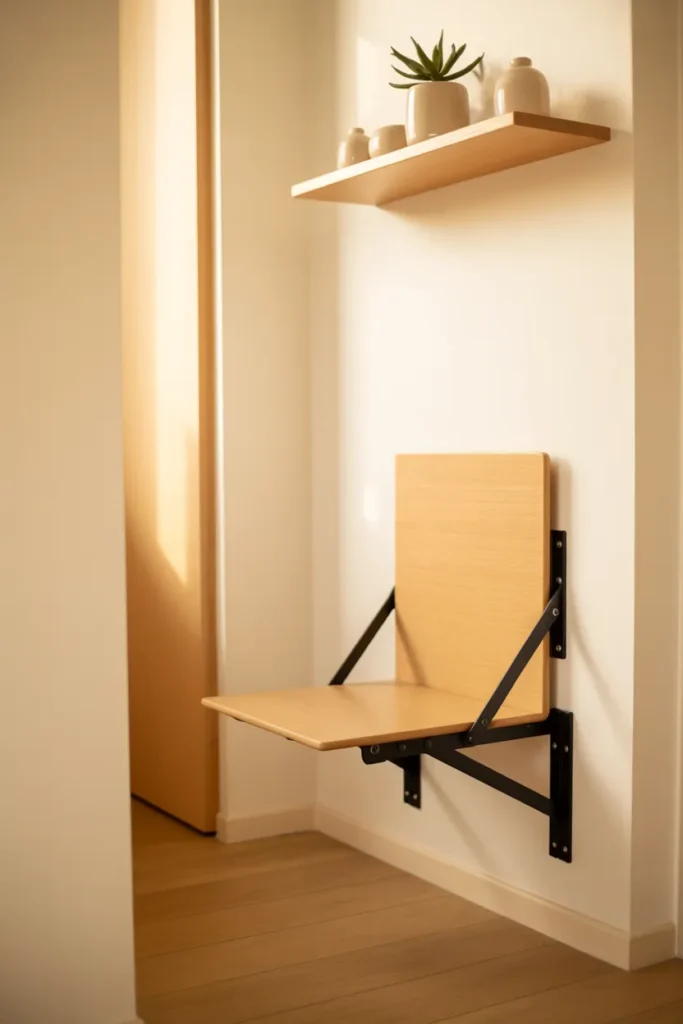
A fold-down seat is one of the smartest solutions for extremely tight entrances where every inch matters. When needed, it provides a comfortable place to sit while putting on shoes, yet it disappears neatly against the wall afterward. I’ve seen this work especially well in narrow apartment hallways that cannot fit a traditional bench comfortably. The compact design keeps movement easy while still making the space feel functional and thoughtfully planned. Soft wood finishes and simple hardware also help the setup blend naturally into modern interiors. Even the smallest entry can feel more convenient without becoming visually overcrowded.
What makes this idea so effective is the flexibility it offers for everyday living. Many compact homes require furniture that can adapt quickly throughout the day, especially in shared spaces. In my experience, foldable features create a cleaner appearance because they reduce permanent visual bulk in already narrow layouts. That’s why many designers recommend wall-mounted seating solutions in smaller homes and studio apartments. A mini mudroom entryway benefits greatly from features that support comfort while preserving openness. The final result feels sleek, organized, and highly efficient, helping tiny entrances remain practical without sacrificing a calm and minimal aesthetic.
14. Floating Drawer Shelf
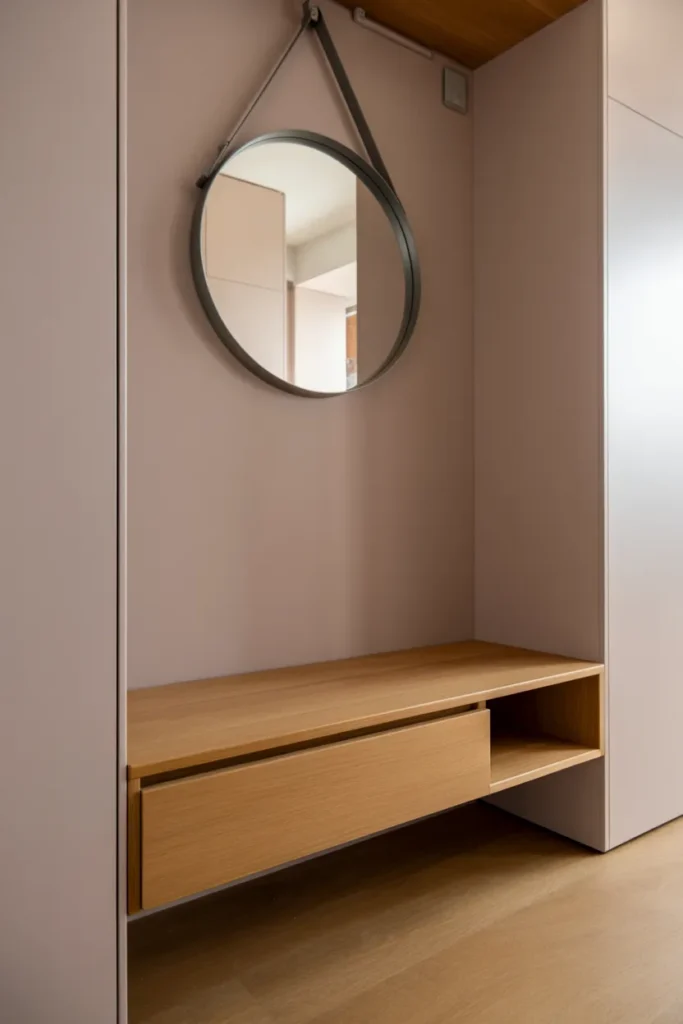
A floating drawer shelf can make a tiny entrance feel far more polished without adding bulky furniture. The wall-mounted design keeps the floor visible, which helps the room appear larger and less crowded. I’ve noticed this idea works especially well for storing everyday essentials like keys, wallets, sunglasses, and unopened mail that usually collect near the door. Hidden drawers create a cleaner visual effect while still keeping everything within easy reach during busy mornings. Pairing the shelf with soft lighting and a simple mirror also gives the entry a more elevated and thoughtfully styled atmosphere overall.
This setup feels especially effective because it combines modern design with practical storage in a very compact footprint. Many small entrances struggle with surface clutter, which can instantly make the area feel stressful and disorganized. In my experience, concealed storage creates a calmer environment because fewer items remain visually exposed throughout the day. That’s why many designers recommend floating furniture in compact interiors where openness matters. A mini mudroom entryway benefits greatly from solutions that maintain functionality while preserving visual simplicity. The final result feels organized, airy, and stylish without sacrificing convenience or everyday usability.
15. Narrow Boot Tray
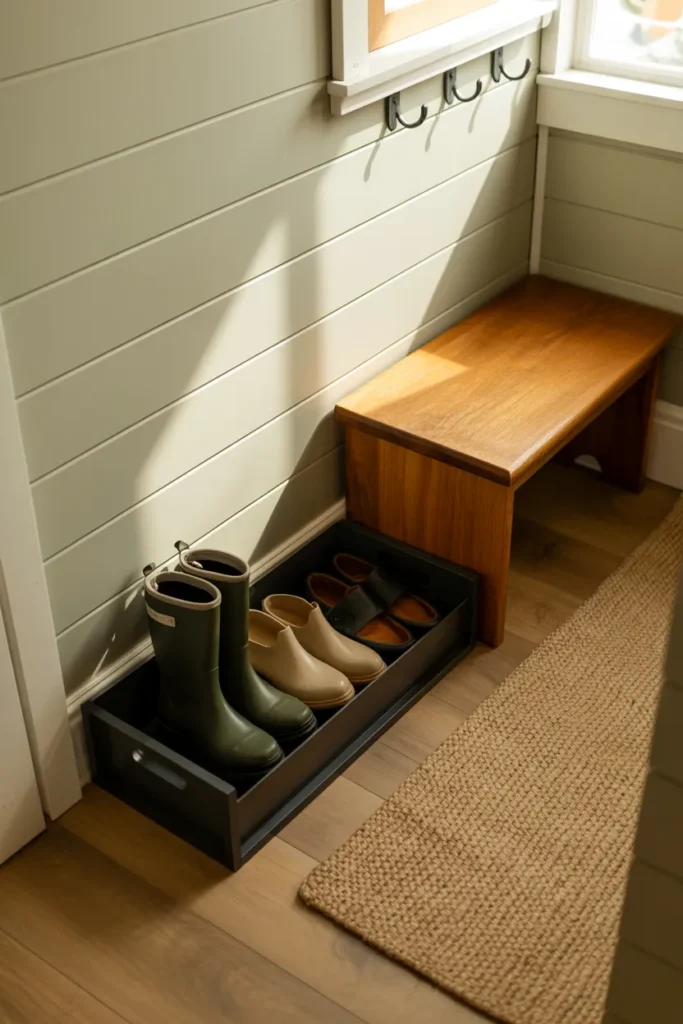
A slim boot tray may seem simple, but it can dramatically improve how organized a small entrance feels every day. Instead of shoes spreading across the floor, everything stays neatly contained in one easy-to-clean zone. I’ve seen this work especially well in busy homes where wet shoes and muddy boots quickly create visual mess and floor damage. A narrow tray keeps the area tidy while protecting flooring from moisture and dirt. Choosing a tray with clean lines and neutral tones also helps it blend naturally into the decor. Even compact entrances immediately feel more structured and manageable with this small addition.
This idea works because it creates clear boundaries for everyday clutter without requiring extra furniture or complicated storage systems. Many people overlook how much visual chaos scattered shoes can create in a tiny entryway. In my experience, defining a dedicated shoe zone makes daily cleanup faster and more consistent. That’s why designers often recommend trays in smaller homes where maintaining order is especially important. A mini mudroom entryway benefits from practical details that quietly improve functionality while preserving style. The final setup feels cleaner, calmer, and far easier to maintain throughout changing seasons and busy daily routines.
Conclusion
A well-designed mini mudroom entryway proves that even the smallest space can feel organized, stylish, and welcoming with the right ideas. Each concept you explored in this article shows how simple changes—like smarter storage or thoughtful decor—can completely transform your entry into a functional and beautiful first impression.
I’ve seen how small design upgrades like these can instantly improve daily routines and reduce clutter stress. Try one or combine a few ideas to create a space that truly works for your lifestyle.

One Comment