
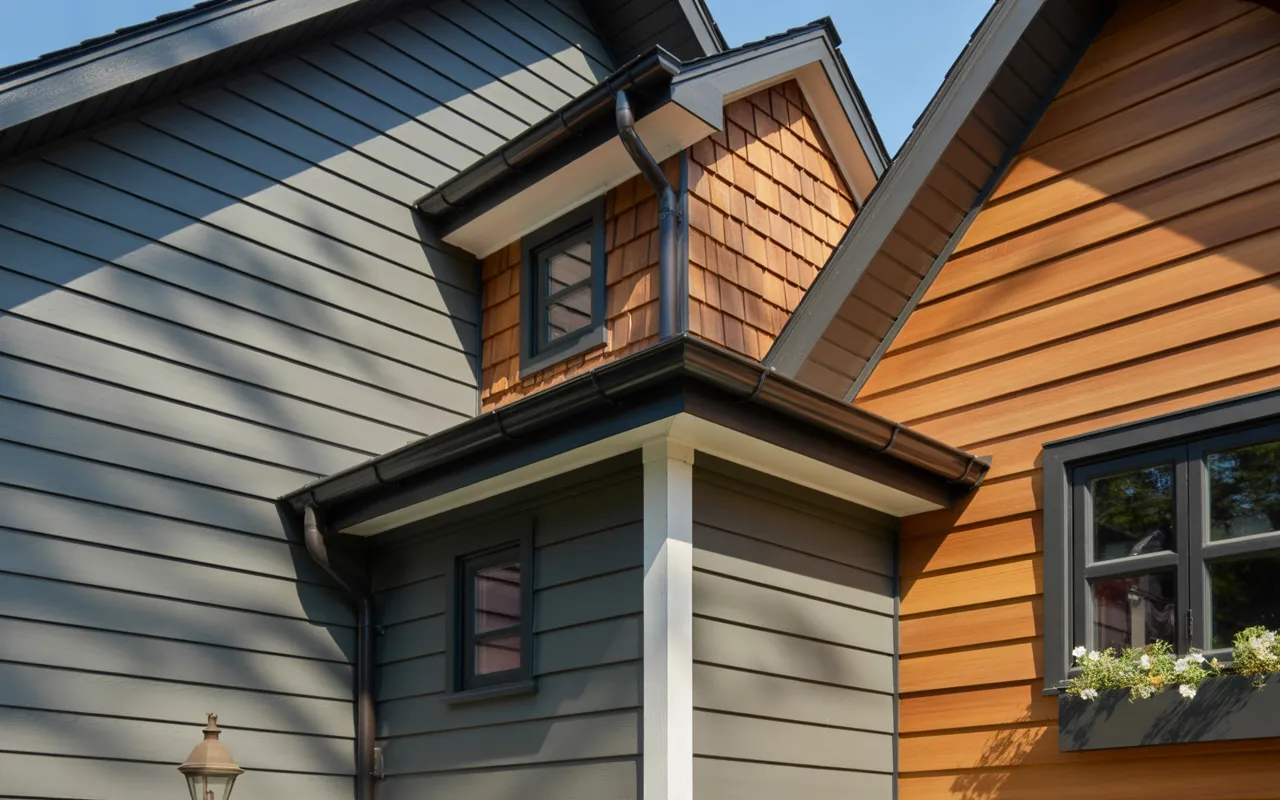
16 Vinyl Siding Ideas to Refresh Your Home’s Look
Vinyl siding is a durable, low-maintenance exterior cladding that comes in hundreds of colors and profiles. This article delivers 16 specific, actionable vinyl siding ideas—from color combinations to trim details—that will transform your home’s curb appeal without a full replacement.
There’s something undeniably crisp about a home wrapped in well-executed vinyl siding. The clean lines catch morning light. Shadows play across horizontal panels. The whole exterior feels intentional, polished, and quietly confident. Unlike wood that weathers or brick that dominates, vinyl siding offers a canvas that can feel coastal, farmhouse, modern, or traditional—depending entirely on how you style it. Here are 16 ideas worth saving—and stealing.
Why Vinyl Siding Exterior Design Works So Well
Vinyl siding emerged in the 1950s as a post-war housing boom solution—durable, affordable, and faster to install than wood. Unlike fiber cement that requires special cutting tools and respirators, vinyl remains accessible to both professional installers and ambitious DIYers. Its hollow-back design allows for thermal expansion, meaning it moves with temperature shifts without cracking—a critical engineering detail that sets it apart from cheaper alternatives.
Vinyl siding searches on Pinterest increased 217% year-over-year according to internal platform data, driven by the “slow renovation” movement. Homeowners are choosing to refresh rather than replace entire exteriors, and vinyl’s paintability (yes, modern vinyl can be professionally painted) has extended its lifespan by another decade. The shift toward personalization over uniformity has made two-tone and accent-color approaches suddenly everywhere.
Small spaces absolutely can achieve this style—with one honest limitation. Vinyl’s panel lengths (typically 12’6″) require planning on bungalows and cottages. Prioritize vertical siding on small facades to create height illusion. Avoid busy shake patterns on anything under 1,200 square feet; smooth panels read cleaner and more expansive. The trick is simpler profiles, not fewer details.
| Element | Core Trait 1 | Core Trait 2 |
|---|---|---|
| Philosophy | Low-maintenance first | Curb appeal through restraint |
| Key Materials | PVC with UV inhibitors | Aluminum trim coil for accents |
| Color Palette | Greige, naval blue, pale ivory, warm charcoal |
1. Navy Blue with Crisp White Trim
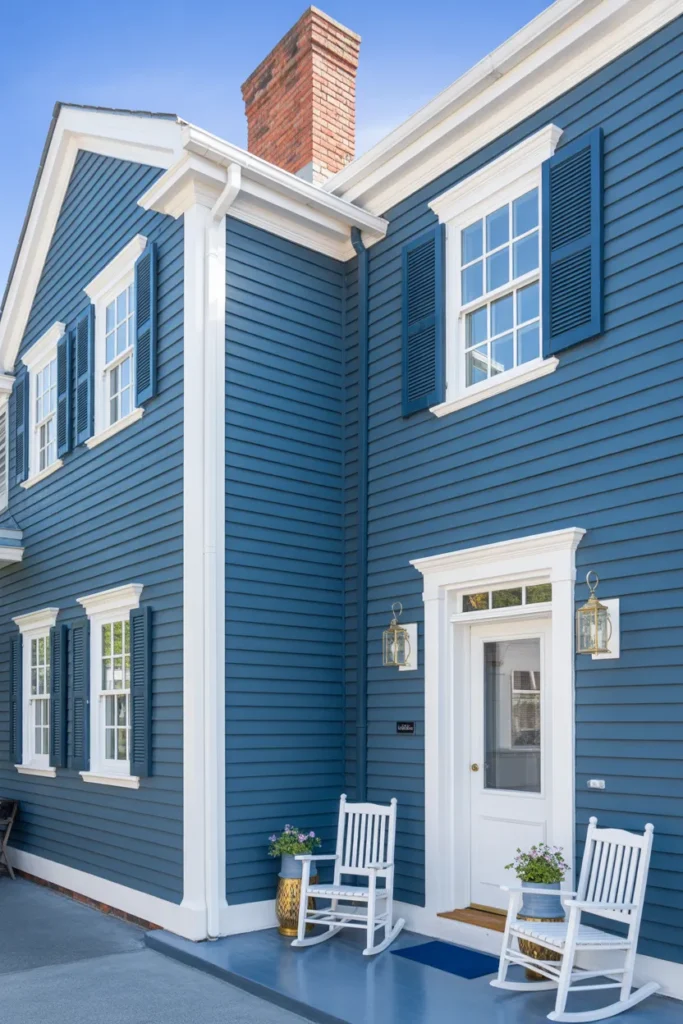
Vibe: Nautical, confident, fresh
Why it works: Navy absorbs light without reading as black, creating a deep “framing” effect around white architectural details. The high contrast draws the eye to window placement and proportion. Navy also reads as traditional and modern simultaneously—broad curb appeal.
How to get it: Use Mastic Quest siding in Naval or CertainTeed Monogram in Blue Ridge. Order pre-matched white corner posts (never paint vinyl darker than its original color—heat warping risk). Add red brick or terra cotta planters as the third color in a classic triadic scheme.
Shop The Look
| Product | Category |
|---|---|
| White resin rocking chair set of 2 | Furniture |
| Navy blue coir doormat | Decor |
| Brass outdoor wall lantern | Lighting |
| Terra cotta planter set of 3 | Accessories |
| White vinyl shutters pair | Window treatment |
2. Weathered Wood Grain Finish
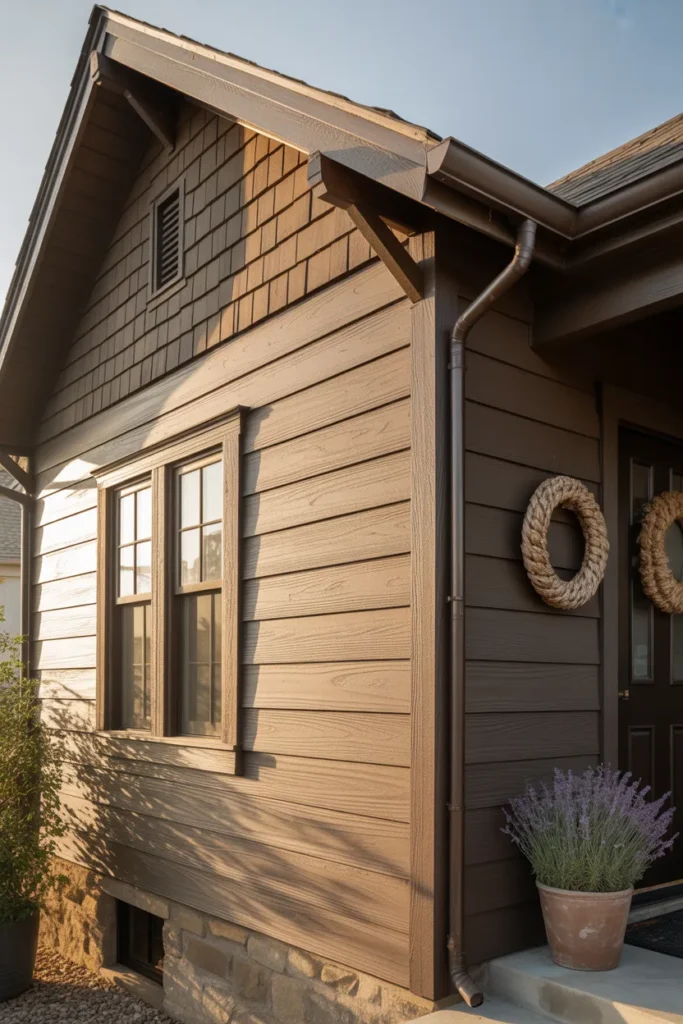
Vibe: Warm, textured, organic
Why it works: Embossed grain catches directional light differently than smooth panels, creating shadow lines that shift throughout the day. This mimics real cedar’s visual complexity without the maintenance. The texture also hides minor dents and scratches better than smooth vinyl—practical beauty.
Browse More; 14 Privacy Wall Designs That Upgrade Any Outdoor Space
How to get it: Choose Georgia-Pacific’s Cedar Canyon series in Weathered Wood or Alside’s Charter Oak in Driftwood. Install with staggered seams (not stacked) to replicate real cedar shingle patterns. Mix in 20% actual cedar shakes on gables for authentic contrast. Use brown screws, not white.
Shop The Look
| Product | Category |
|---|---|
| Faux wood grain vinyl siding panel samples | Materials |
| Stone veneer panels for foundation | Exterior cladding |
| Dried lavender wreath 22″ | Decor |
| Wrought iron house numbers | Wall decor |
| Brown composite porch railing kit | Railing |
3. Monochromatic Dark Charcoal
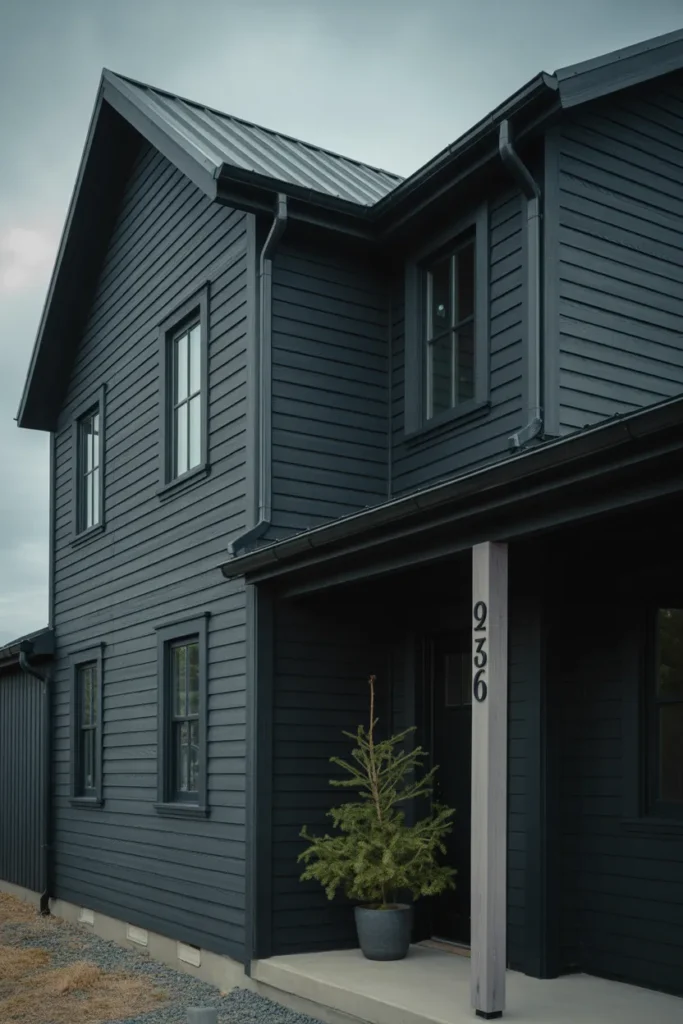
Vibe: Quietly powerful
Why it works: Dark exteriors recede visually, making a house appear set back from the street—a psychological trick that adds perceived square footage. The contrast between matte charcoal vinyl and glossy white trim creates visual tension without color competition. Monochrome simplifies busy rooflines.
How to get it: Choose CertainTeed Monogram siding in Black or Mastic Ovation in Midnight. Pair with bright white windows (Pella’s Bright White finish). Use aluminum trim coil for all corners and fascia. Avoid dark gutters—they disappear; white gutters define the roofline instead.
Shop The Look
| Product | Category |
|---|---|
| Matte black house numbers 6″ floating | Wall decor |
| White vinyl window trim corner blocks | Exterior trim |
| Black metal barn light sconce | Lighting |
| Concrete rectangular planter 18″ | Decor |
| Evergreen spiral topiary artificial | Accessories |
4. Vertical Siding on Dormers
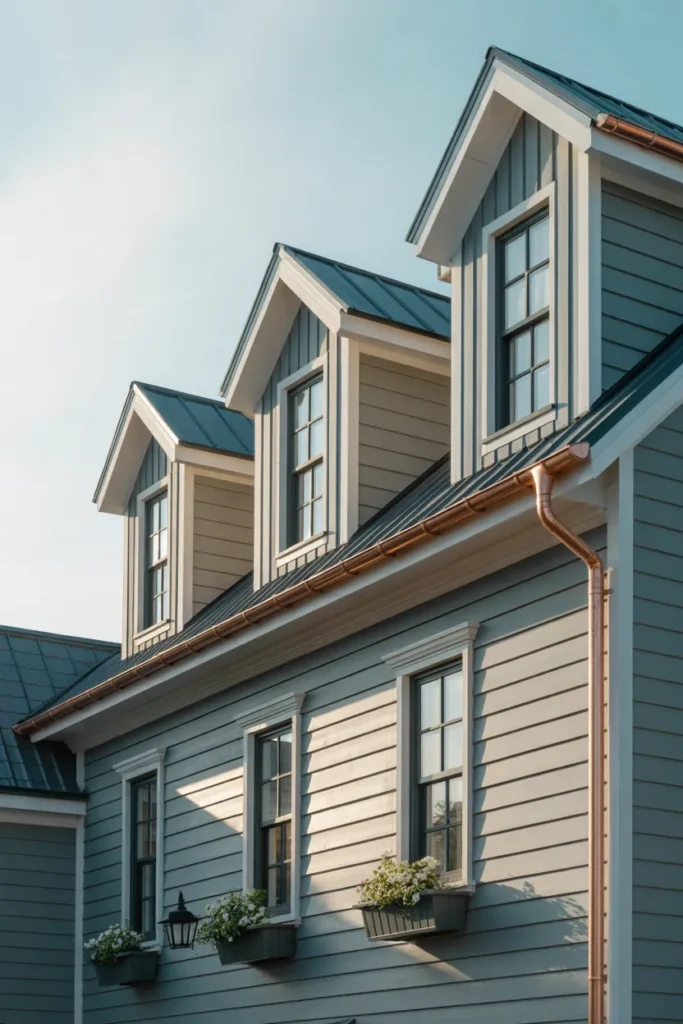
Vibe: Lifted, architectural, tall
Why it works: Changing direction draws the eye upward, making dormers feel taller and more prominent. Vertical panels break the monotony of long horizontal runs. This trick also corrects visual proportion on homes where dormers feel too squat relative to the main facade.
How to get it: Use CertainTeed Board & Batten Vertical siding on dormers only. Match color exactly to main horizontal siding—same manufacturer, same dye lot. Install vertical panels with hidden clips, not exposed nails. Keep batten spacing consistent (typically 12 inches on center).
Shop The Look
| Product | Category |
|---|---|
| Board and batten vinyl siding panels | Materials |
| Copper faux gutters downspout kit | Exterior |
| Window box 36″ white resin | Planter |
| Black carriage house wall light | Lighting |
| Faux flowers for window box | Decor |
5. Shake Accent Gable
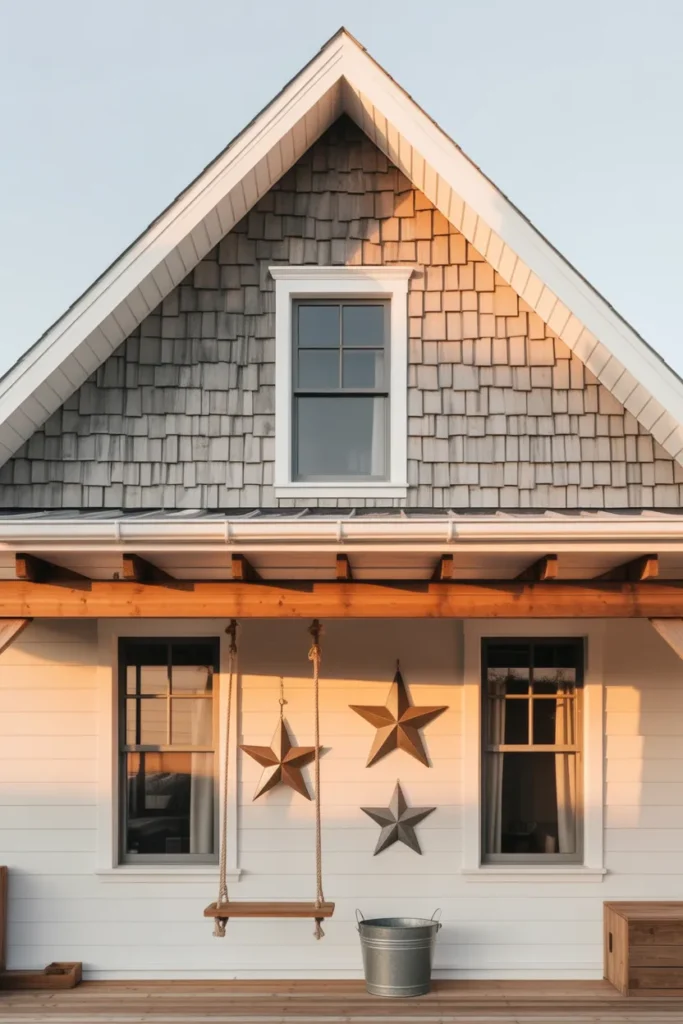
Vibe: Rustic, layered, textured
Why it works: Shake patterns add shadow depth that smooth panels lack. Placing texture only in the gable creates a focal point without overwhelming the facade. The contrast between smooth (modern) and shake (traditional) signals a thoughtfully layered renovation, not a builder-grade afterthought.
How to get it: Choose Mastic Reveal Shake or Alside Perfection Shingle in a contrasting color—one shade lighter or darker than main siding. Install with staggered butt edges (never aligned). Cap the gable peak with a decorative truss or beam to anchor the texture zone visually.
Shop The Look
| Product | Category |
|---|---|
| Vinyl shake siding panels weathered gray | Materials |
| Galvanized metal wall star 24″ | Wall decor |
| Cedar porch beam faux wrap | Exterior trim |
| Rope swing with wooden seat | Decor |
| Galvanized bucket planter | Accessories |
6. Trim Color That Pops
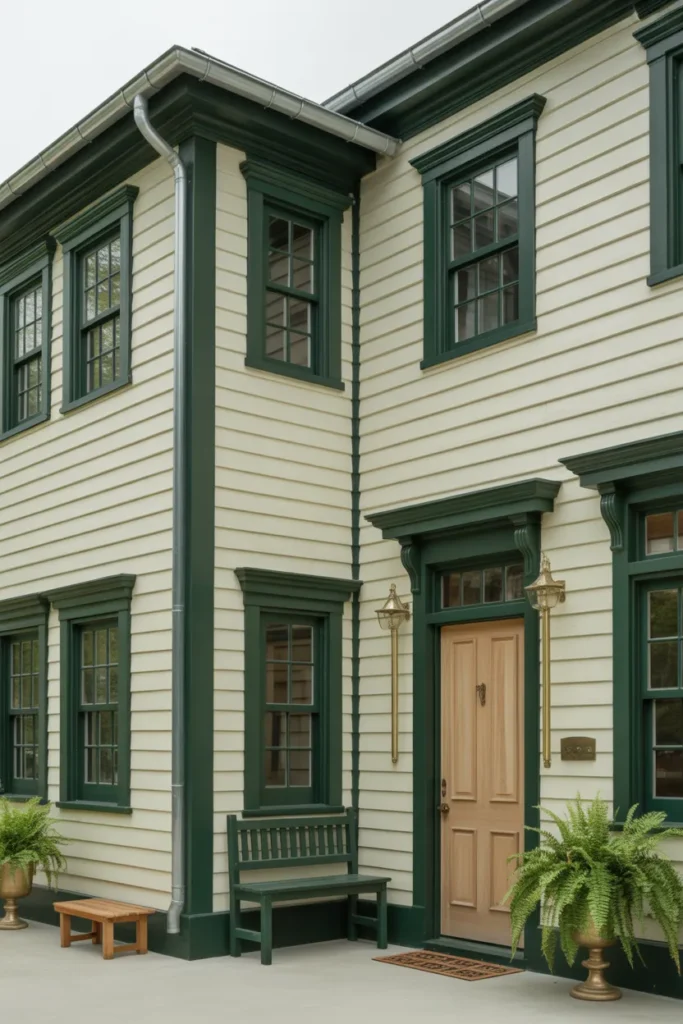
Vibe: Playful, daring, framed
Why it works: Colored trim acts as a frame for the architecture itself. Green against ivory creates botanical harmony—your house reads as part of the landscape. The trim takes up only 15% of the visual field, so bold color feels intentional, not overwhelming.
How to get it: Order color-matched aluminum trim coil from your siding supplier (not paintable vinyl trim—it fades differently). Use Sherwin-Williams SW 0041 Dard Hunter Green as your target. Keep gutter colors matching the siding, not the trim. Test a south-facing section first.
Shop The Look
| Product | Category |
|---|---|
| Aluminum trim coil forest green | Exterior trim |
| Brass house numbers 5″ | Wall decor |
| Wooden bench forest green finish | Furniture |
| Artificial fern in urn set of 2 | Decor |
| Brass kick plate 8×34″ | Accessories |
7. Board and Batten Full Facade
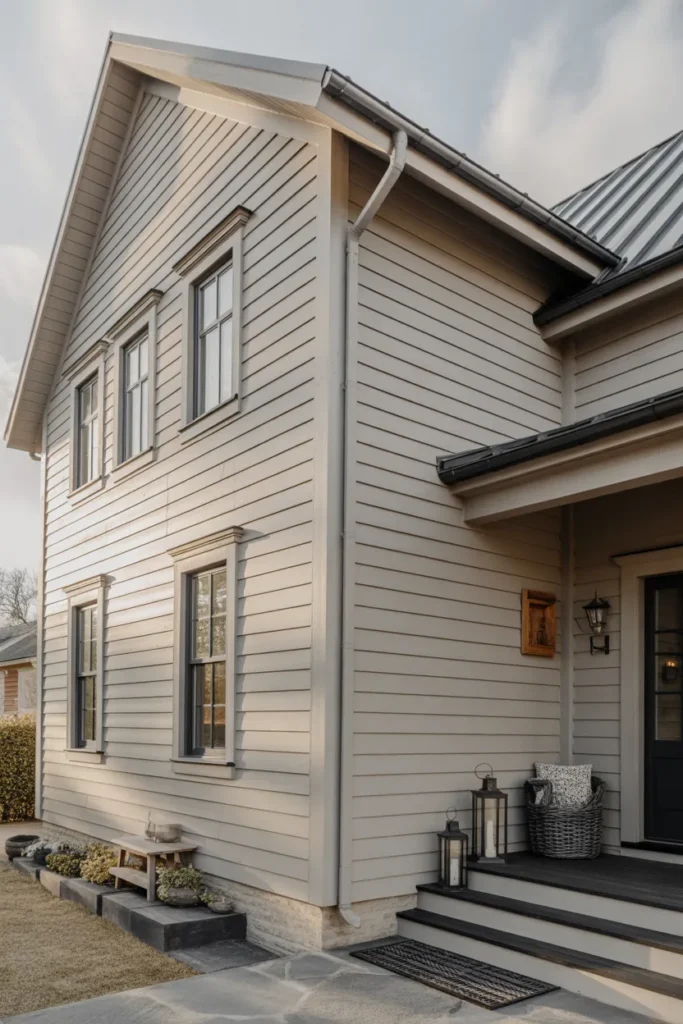
Vibe: Barn-chic, vertical, strong
Why it works: Vertical lines draw the eye upward, making a house appear taller and more substantial. The shadow lines cast by raised battens create rhythm across the entire facade. This pattern also visually widens narrow lots when installed on side elevations facing the street.
How to get it: Use CertainTeed Board & Batten in 8-inch width. Space battens exactly 12 inches on center—no exceptions. Start installation from the center of each wall and work outward for symmetry. Use black screws at batten centers only.
Shop The Look
| Product | Category |
|---|---|
| Board and batten vinyl siding starter kit | Materials |
| Black iron outdoor lantern large | Lighting |
| Woven black coir doormat | Decor |
| Stone veneer step treads | Exterior |
| Black metal address plaque | Wall decor |
8. Scalloped Shake Eaves
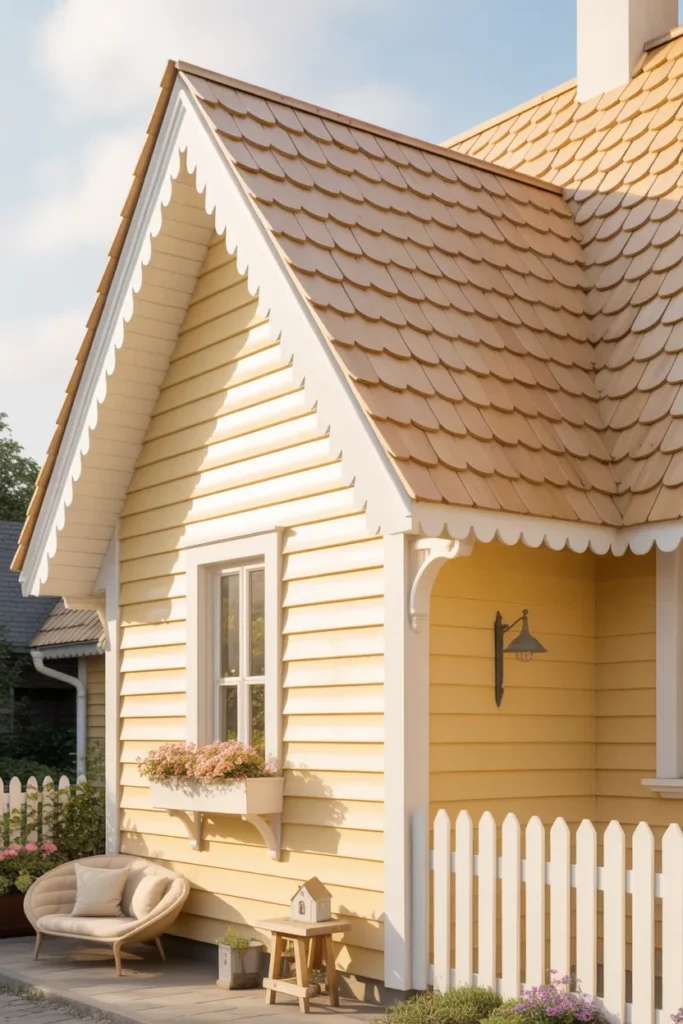
Vibe: Whimsical, cottage, feminine
Why it works: Scalloped edges add softness to the hard line where wall meets roof. The curved shapes catch shadows differently than straight-cut shakes, creating dappled light effects. This detail signals “craftsman-built” even on tract housing and works exclusively on 8:12 or steeper roof pitches.
How to get it: Order Mastic Scalloped Shake or similar. Install only on gables and eaves with minimum 8-foot height from ground—scallops read as clutter at eye level. Paint all rafter tails and soffits to match trim. Skip scallops on any wall facing north.
Shop The Look
| Product | Category |
|---|---|
| Scalloped vinyl shake siding panels | Materials |
| White curved garden bench | Furniture |
| Cedar birdhouse cottage style | Decor |
| Window box with pink faux flowers | Planter |
| White picket fence section 6ft | Exterior |
9. Stone and Siding Combination
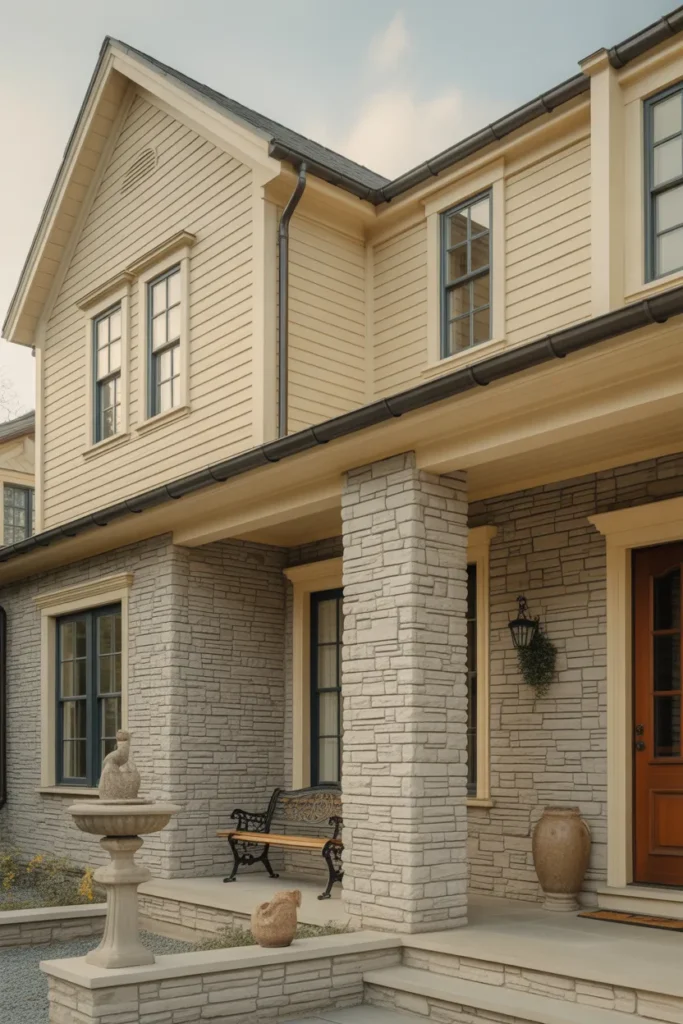
Vibe: Solid, grounded, permanent
Why it works: Stone grounds the house visually, creating a heavy visual base. The siding above feels lighter by contrast. This combination reads as a custom home rather than builder-grade. The material shift also breaks up tall facades that feel overwhelming in a single cladding.
How to get it: Install stone veneer first from grade to 4 feet high. Lap siding over the stone’s top edge—never butt against it. Use matching corner pieces to wrap corners. Keep stone color warm (beige-gray) rather than cool (blue-gray) against cream siding.
Shop The Look
| Product | Category |
|---|---|
| Manufactured stone veneer dry-stack | Materials |
| Wrought iron garden bench | Furniture |
| Stone birdbath pedestal type | Decor |
| Clay urn planter set of 2 | Accessories |
| Iron scrollwork wall art | Wall decor |
10. Two-Tone Horizontal Split
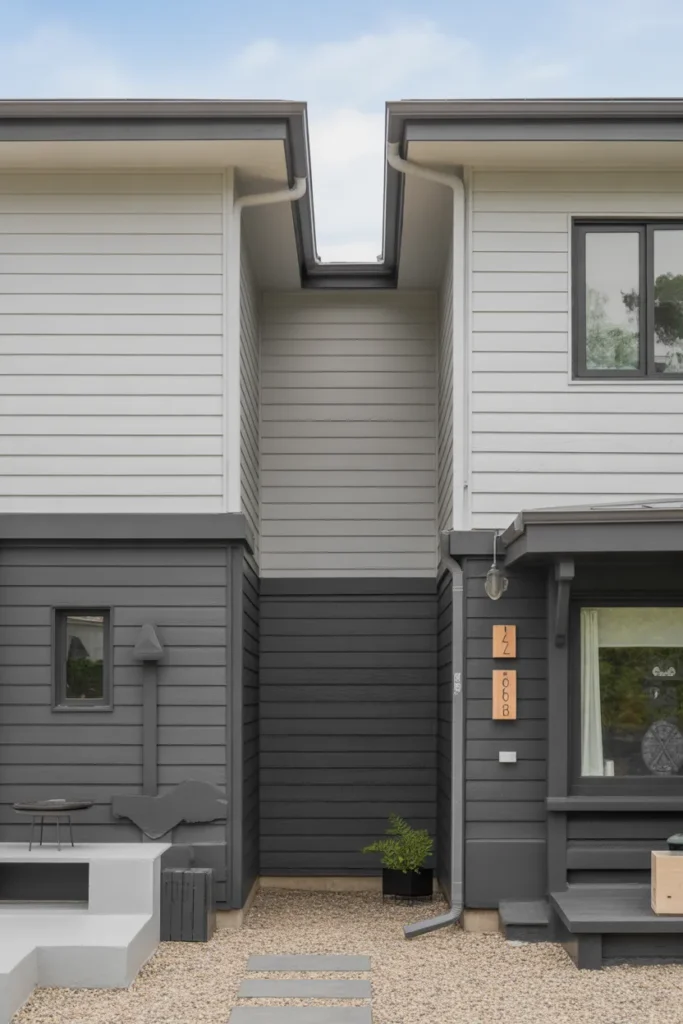
Vibe: Modern, divided, grounded
Why it works: The horizontal split mirrors the human sight line—lighter color at eye level feels expansive, darker below anchors. This two-tone approach reduces perceived height on tall facades. The continuous trim band creates a deliberate horizontal line that organizes all windows and doors visually.
How to get it: Install a 6-inch aluminum trim band as your divider. Use light color above (Mastic Sand Dune), dark below (Mastic Charcoal). Keep both panels the same texture and finish. Trim band must run unbroken across garage doors—remove and reset door tracks if needed.
Shop The Look
| Product | Category |
|---|---|
| Aluminum trim band 6″ white | Exterior trim |
| Black minimalist planter rectangle | Decor |
| Geometric floating house numbers | Wall decor |
| Gravel stabilizer grid for path | Landscape |
| Modern black wall sconce | Lighting |
11. Contrasting Window Surrounds
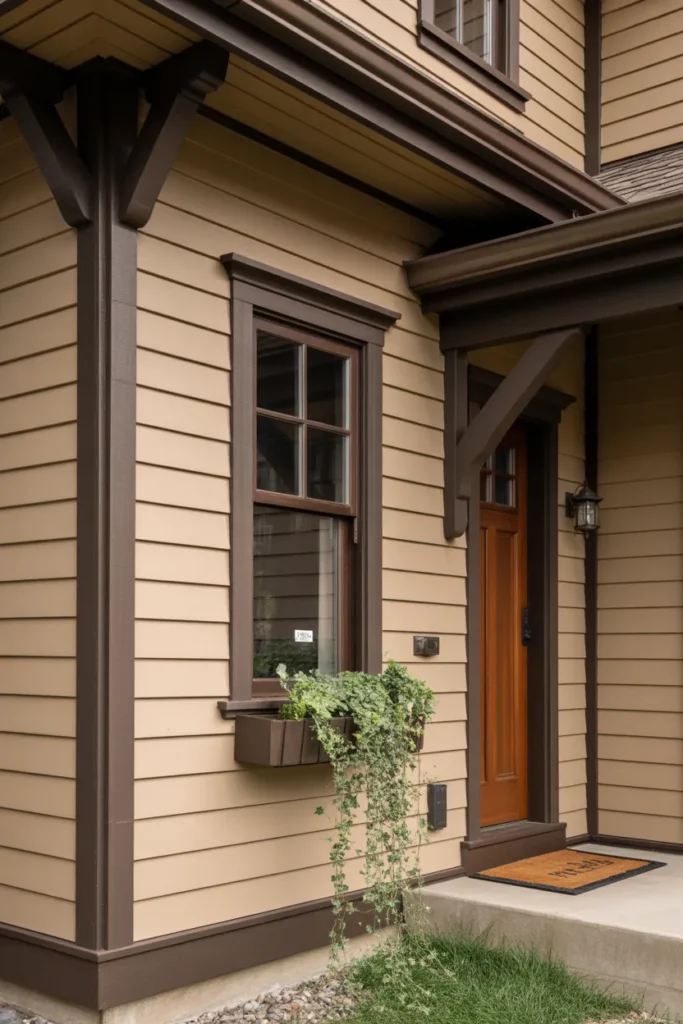
Vibe: Framed, intentional, eye-catching
Why it works: Full surrounds give windows visual weight that plain casings lack. The trim creates a literal frame for each view. Brown against beige mimics natural wood without wood’s maintenance. The mitered corners signal craftsmanship and intentional design rather than builder-grade speed.
How to get it: Order 6-inch aluminum trim coil in brown. Cut mitered corners at 45 degrees—no butt joints. Install headers 2 inches wider than the window on each side. Use brown screws with brown plastic caps at every fastener location.
Shop The Look
| Product | Category |
|---|---|
| Aluminum trim coil deep brown | Exterior trim |
| Bronze outdoor lantern | Lighting |
| Artificial ivy window box | Planter |
| Brown coir doormat | Decor |
| Bronze house numbers | Wall decor |
12. Textured Cedar Shake
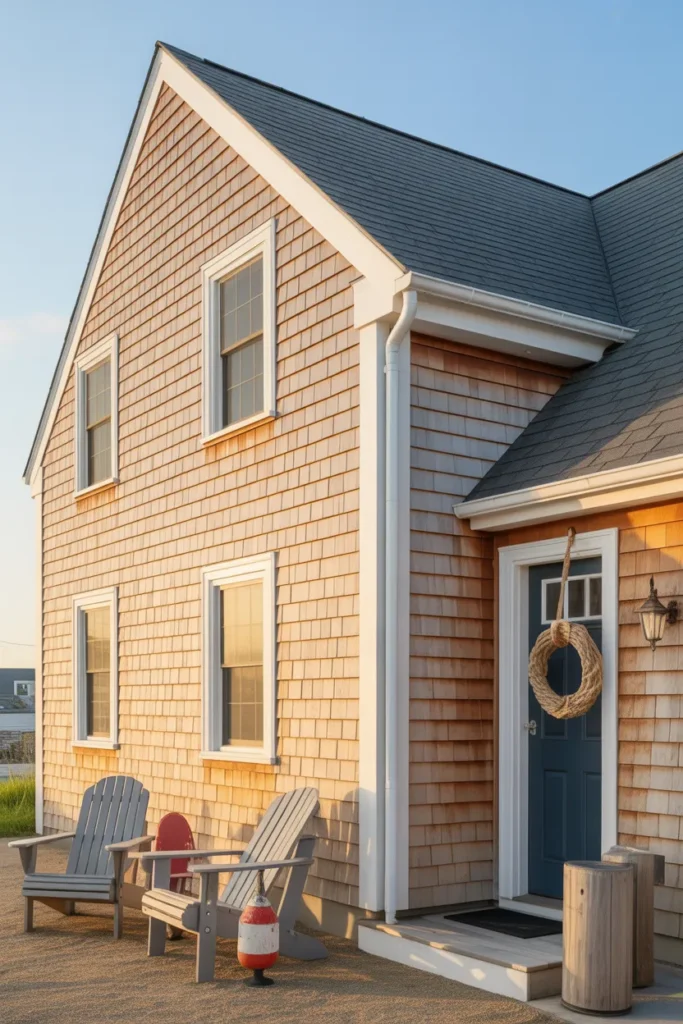
Vibe: Old-world, layered, rich
Why it works: Full shake coverage creates uniform texture across the entire facade—your home reads as a single crafted object. The staggered reveal lines hide the vinyl seams completely. Shadow depth changes throughout the day, making the house feel alive. Cape Cods and bungalows wear this best.
How to get it: Use Mastic Perfection Shingle with 7-inch reveal. Stagger each course so no vertical seam aligns within 6 inches of the course below. Use a chalk line for every row. Start from the center of each wall. Order 15% extra for gable cuts.
Shop The Look
| Product | Category |
|---|---|
| Cedar shake vinyl siding panels honey | Materials |
| Weathered Adirondack chair pair | Furniture |
| Rope wreath nautical style | Decor |
| Lobster buoy decorative | Accessories |
| Navy blue front door paint kit | Paint |
13. Corner Boards Instead of Wraps
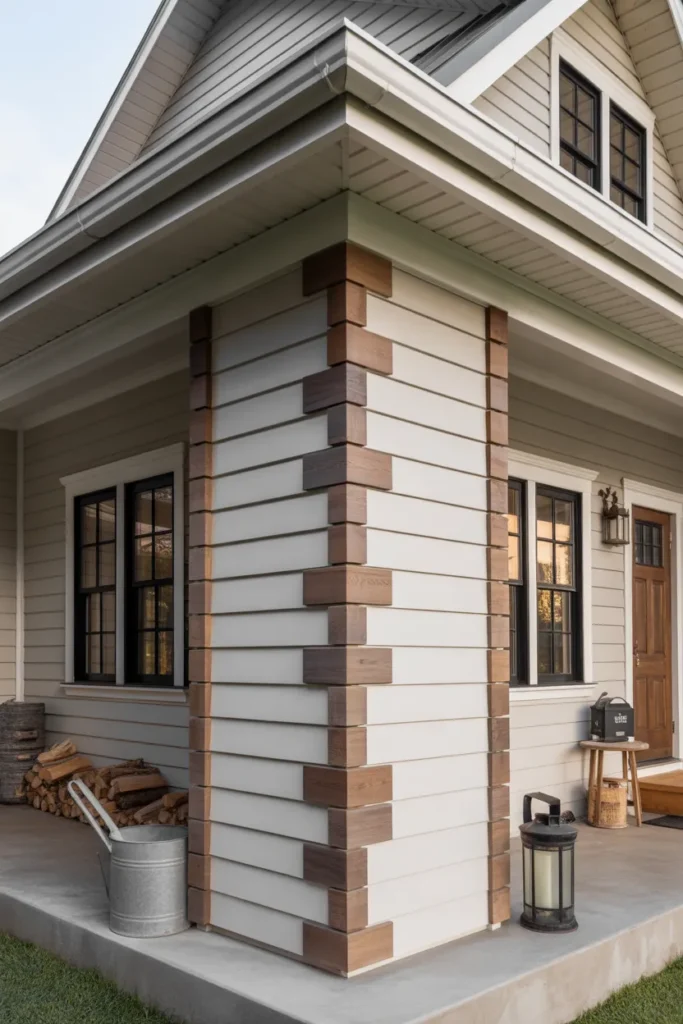
Vibe: Honest, architectural, column-like
Why it works: Corner boards read as structural columns rather than hiding pieces. The projection creates shadow lines that standard corner wraps lack. This mimics historic timber-frame construction. Corner boards also forgive imperfect siding cuts—the board covers edges permanently and looks intentional rather than corrective.
How to get it: Install 1×8 PVC corner boards (Azek or similar) before siding. Set boards 1 inch proud of sheathing. Siding butts into the board’s edge—never overlaps. Caulk the seam between siding and board with color-matched sealant. Prime and paint boards separately.
Shop The Look
| Product | Category |
|---|---|
| PVC corner board 1x8x16ft | Exterior trim |
| Black outdoor wall lantern | Lighting |
| Galvanized watering can | Decor |
| Log rack rustic metal | Accessories |
| Black casement windows | Windows |
14. Roof Line Accent Band
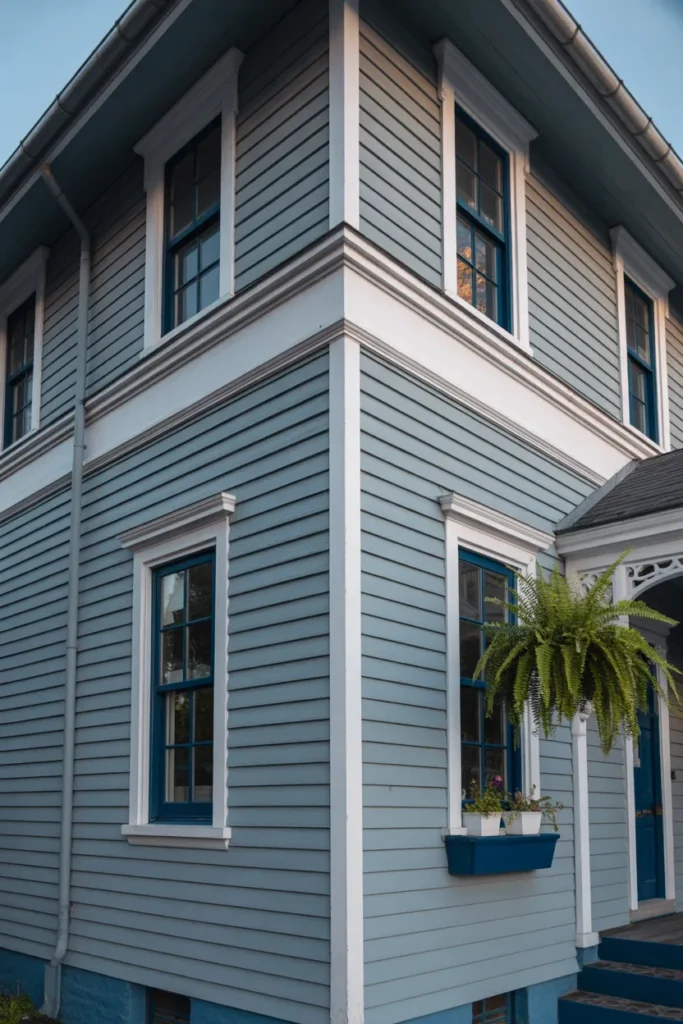
Vibe: Belted, divided, intentional
Why it works: A roofline band visually separates mass from roof, making tall homes feel shorter and wider. The continuous horizontal line organizes everything beneath it—windows, doors, porches—into one composed zone. This detail reads as historic restoration on Victorians and Queen Annes where original wood bands have rotted.
How to get it: Install 8-inch aluminum trim coil as a belt course directly below the roofline drip edge. Miter all corners. Use a level over long distances—a dipped band reads as settlement. Keep the band color consistent with corner boards and window trim for a unified custom look.
Shop The Look
| Product | Category |
|---|---|
| Aluminum trim coil 8″ white | Exterior trim |
| White window box resin | Planter |
| Hanging fern artificial | Decor |
| Blue coir doormat | Accessories |
| Victorian house numbers | Wall decor |
15. Mixed Width Horizontal Panels
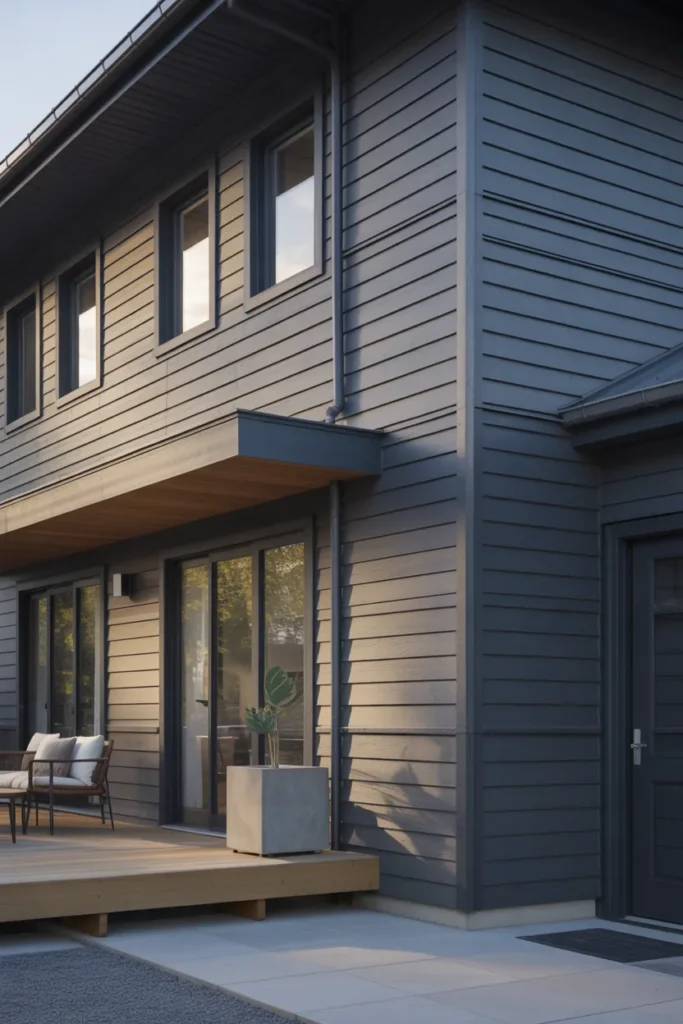
Vibe: Rhythmic, dynamic, custom
Why it works: Alternating widths create a rhythm that standard siding lacks. The shadow line changes with every row—wide panels cast deep shadows, narrow panels cast shallow ones. This repetition tricks the eye into scanning horizontally, making narrow lots feel wider. Contemporary homes use this pattern exclusively.
How to get it: Order both 4-inch and 8-inch panel widths from the same manufacturer and color lot. Install 4-inch, then 8-inch, then repeat. Never stack two same-width rows. Use a story pole marked with the alternating pattern before starting. No corner wraps—use flat corner boards.
Shop The Look
| Product | Category |
|---|---|
| 4-inch vinyl siding panels dark gray | Materials |
| 8-inch vinyl siding panels dark gray | Materials |
| Concrete rectangular planter | Decor |
| Linear metal cable railing kit | Railing |
| Black modern flush mount light | Lighting |
16. Light Siding with Dark Roofline
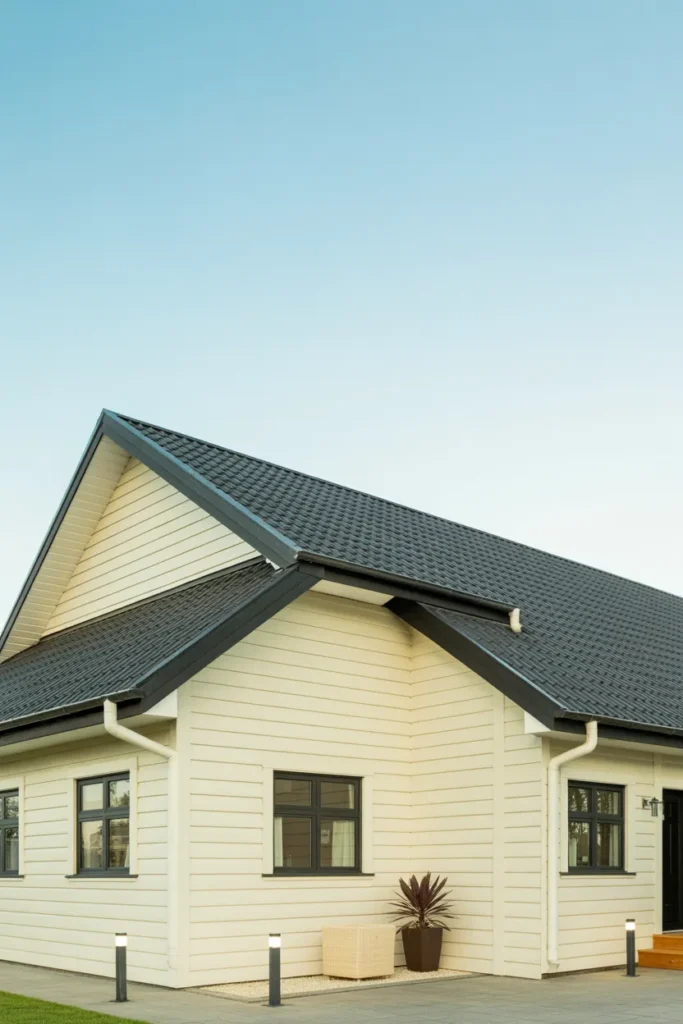
Vibe: Floating, airy, lifted
Why it works: Light walls with dark roof create a floating effect—the house reads as lighter than its actual mass. The dark fascia band acts as a visual shadow line, deepening the perceived overhang. This combination lowers the visual center of gravity on tall ranch facades that feel top-heavy.
How to get it: Choose siding in cream (Mastic Almond) and roof shingles in charcoal (GAF Charcoal). Install 8-inch fascia in matching charcoal aluminum. Keep gutter color matching fascia, not siding. Use dark window frames to echo the roofline. No white fascia—it breaks the floating illusion.
Shop The Look
| Product | Category |
|---|---|
| Cream vinyl siding panels | Materials |
| Dark brown resin planter box | Decor |
| Black bollard landscape light | Lighting |
| Cream woven doormat | Accessories |
| Dark gray roof shingles sample | Roofing |
How to Start Your Vinyl Siding Transformation
THE ONE FIRST MOVE: Order color samples from three different manufacturers before doing anything else. Vinyl colors vary wildly between brands—CertainTeed’s “Ivory” differs from Mastic’s “Almond” by several undertones. Tape 12×12-inch sample panels to your south-facing wall. Observe them at 8 AM, noon, and 4 PM for three days. The color that looks best at all three times is your anchor.
THE MOST COMMON MISTAKE: Mixing textures from different manufacturers on the same facade. A smooth panel from Brand A has a different gloss level than a shake panel from Brand B—they will reflect light differently and ruin the unified look. Stick to one brand for your entire exterior. If you want shake accents, order them from your primary siding manufacturer, not a third party.
BUDGET ENTRY POINTS: Three items under $50 that create immediate impact: (1) Color-matched caulk for your existing seams ($12/tube), (2) a set of black house numbers to replace faded brass ($28), (3) one exterior wall lantern in a dark finish ($45 from home center clearance). None require installation tools beyond a ladder and screwdriver.
REALISTIC EXPECTATIONS: A full siding transformation takes 2-4 weeks for a typical 2,000-square-foot home with a three-person crew. DIY on a single-story ranch runs 6-8 weekends. Budget $8,000-$15,000 professionally installed or $3,000-$6,000 DIY for materials only. A weekend can refresh trim, replace one accent wall, or repaint window surrounds. Full replacement cannot be rushed—expansion gaps must acclimate.
Frequently Asked Questions About Vinyl Siding Exterior
How long does vinyl siding actually last before needing replacement?
Quality vinyl siding lasts 30-40 years with proper installation. The UV inhibitors (titanium dioxide) degrade slowly, causing eventual fading of 10-15% over two decades. Dark colors fade faster—expect 20-25 years for navy, charcoal, or black. The substrate remains functional long after fading; professional painting can extend life another 10-12 years for around $2,500.
What’s the real cost difference between vinyl and fiber cement siding?
Vinyl installed costs $3-$7 per square foot. Fiber cement runs $5-$12 per square foot—roughly 60-70% more expensive. Vinyl’s lifetime maintenance costs near zero (occasional pressure washing). Fiber cement needs repainting every 10-12 years at $2,000-$4,000 per repaint. Over 30 years, fiber cement costs 2-3x more despite longer material lifespan.
Can vinyl siding be painted a different color than original?
Yes, but only with specific limitations. Paint must be 100% acrylic and formulated for vinyl (Sherwin-Williams VinylSafe, Benjamin Moore Revive). You can only go darker than original—never lighter (light paint absorbs less heat but dark original vinyl beneath creates warping risk). Professional painting costs $2,500-$4,500 and adds 10-12 years. Skip painting if you live in Arizona, Texas, or Florida south-facing.
Is vinyl siding a bad choice for coastal or high-wind areas?
Modern vinyl meets ASTM D3679 standards for wind resistance up to 150 mph when installed with proper nailing. Coastal homes require marine-grade vinyl with additional UV stabilizers (look for ISO 877 testing). The concern isn’t wind but salt corrosion on aluminum trim—specify stainless steel fasteners and PVC trim instead of aluminum within one mile of salt water. Many coastal builders now prefer vinyl over wood or fiber cement for moisture resistance.
What’s the best way to remove mildew from vinyl siding without damaging it?
Mix one part household bleach with three parts water in a garden sprayer. Wet surrounding plants thoroughly first. Spray solution on mildew, wait 5 minutes (not longer—bleach degrades UV inhibitors), then scrub with a soft-bristle brush on an extension pole. Rinse completely with a garden hose—never a pressure washer which forces water behind panels. This treatment costs under $10 and lasts 12-18 months in humid climates.
Ready to Create Your Dream Vinyl Siding Exterior?
You’ve seen 16 distinct approaches spanning color contrast, texture mixing, trim strategies, and architectural details—each chosen to solve a different facade problem. No home transforms overnight, and the most successful exteriors often start with a single corner, one accent gable, or simply new house numbers against fresh trim. Today, walk outside and photograph your home at three different times of day—notice which existing features you love and which shadows bother you most. That awareness is your starting point. The exterior you want is the one where you pull into the driveway and feel the quiet satisfaction of a home that looks exactly like yours should. Save your three favorite ideas to Pinterest now—you’ll want these images when you’re ready to talk to contractors or visit the home center.
One Comment